Turning External Documents Into Structured Data With Amazon Textract

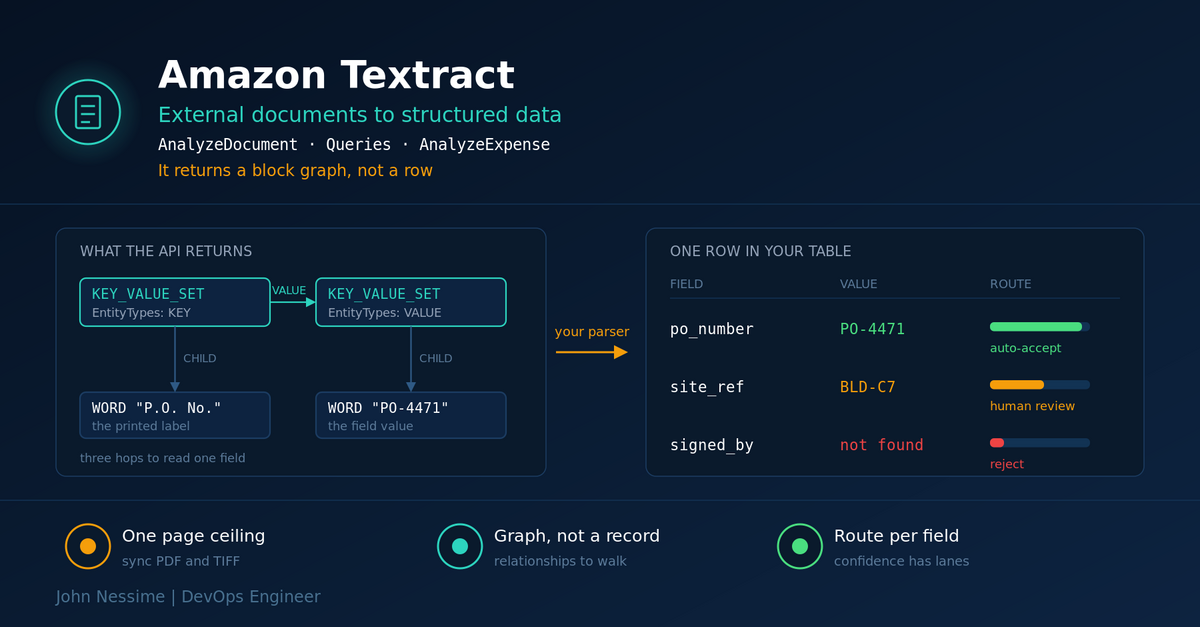
Amazon Textract almost never fails loudly. A working guide to turning external PDFs and scans into structured data: picking the right operation per document family, parsing the block graph, routing on per-field confidence, and catching the limits that silently truncate your records.

Continue ReadingTurning External Documents Into Structured Data With Amazon Textract

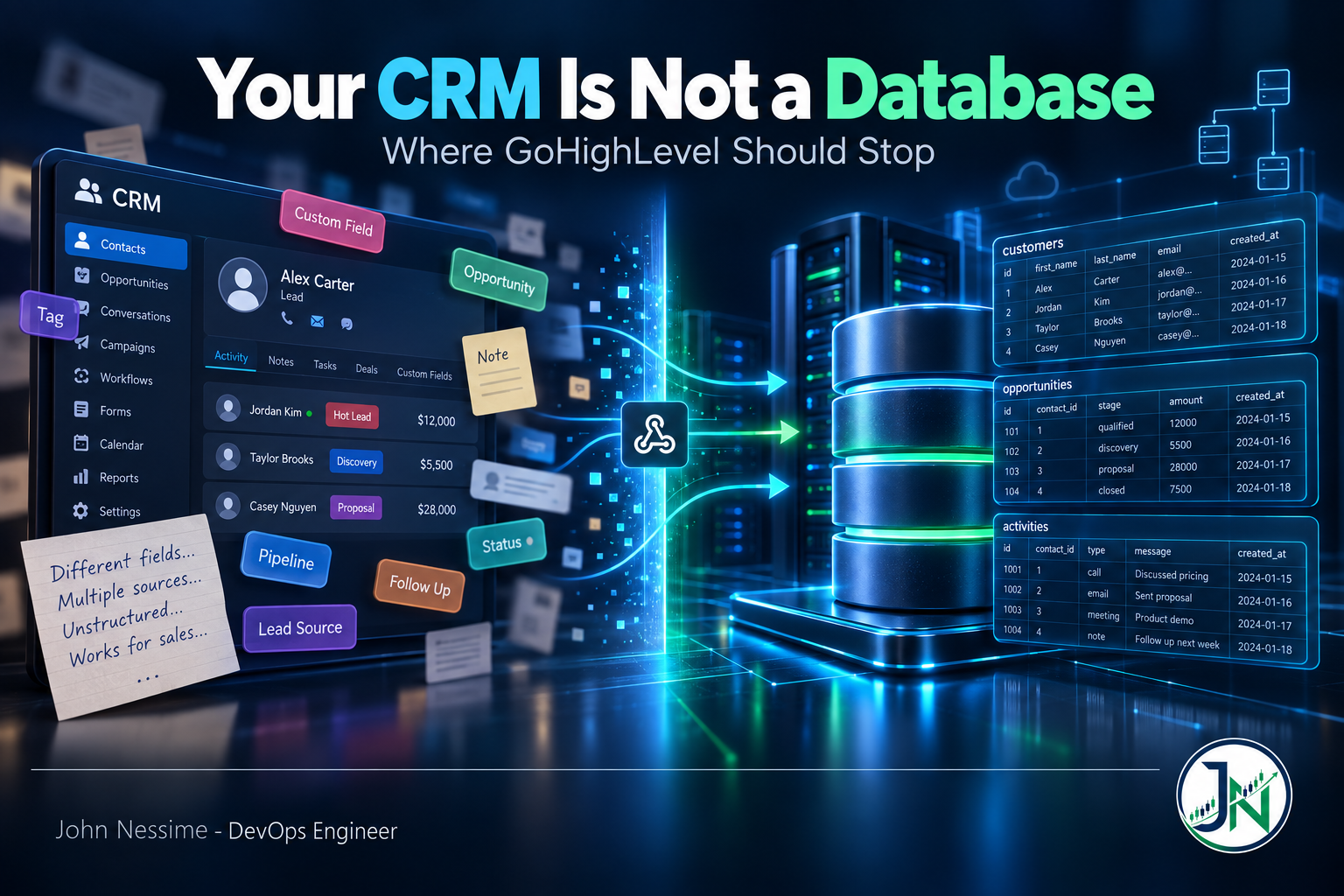
One Customer, Four Systems: Unifying Shopify, Stripe, CRM and Support Data

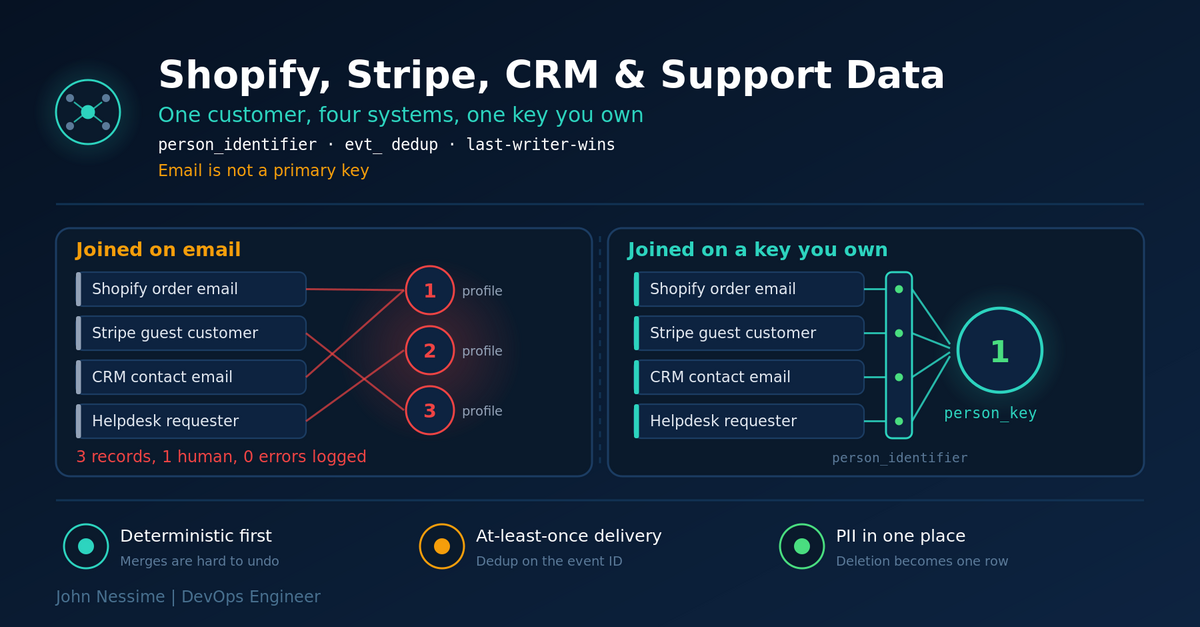
Three CRM records, one person, and nothing in the logs to explain it. A practical walkthrough of what actually breaks when you unify Shopify, Stripe, CRM and support data: guest-checkout identity, duplicate and out-of-order webhooks, revenue that never ties to payouts, deletion requests that miss half your copies, and reverse ETL write loops. Organized by failure family, with schema and handler patterns you can apply directly.

Continue ReadingOne Customer, Four Systems: Unifying Shopify, Stripe, CRM and Support Data

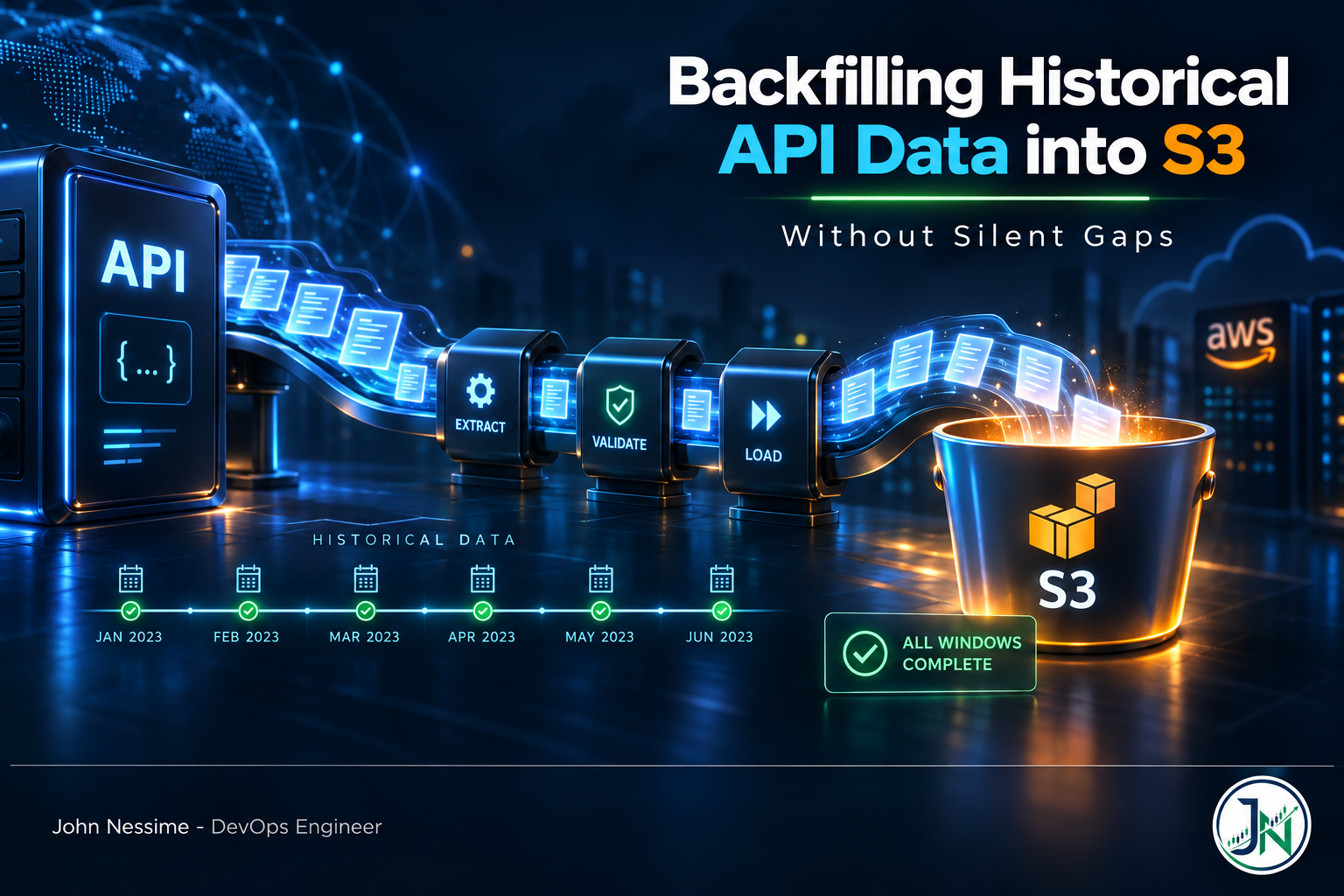
Backfilling Historical API Data into S3 Without Silent Gaps

A backfill that exits zero can still be missing a week of data, and nothing will tell you. This is a practical guide to the failure families behind silent gaps: pagination drift under a mutating source, retries that duplicate pages, prefix layouts designed for writes instead of reads, the seam where backfill meets live ingest, and the storage class rules that make mistakes expensive. Includes deterministic key derivation, S3 conditional writes, Athena partition projection, and a per-window manifest pattern that turns completeness into something you can query.

Continue ReadingBackfilling Historical API Data into S3 Without Silent Gaps

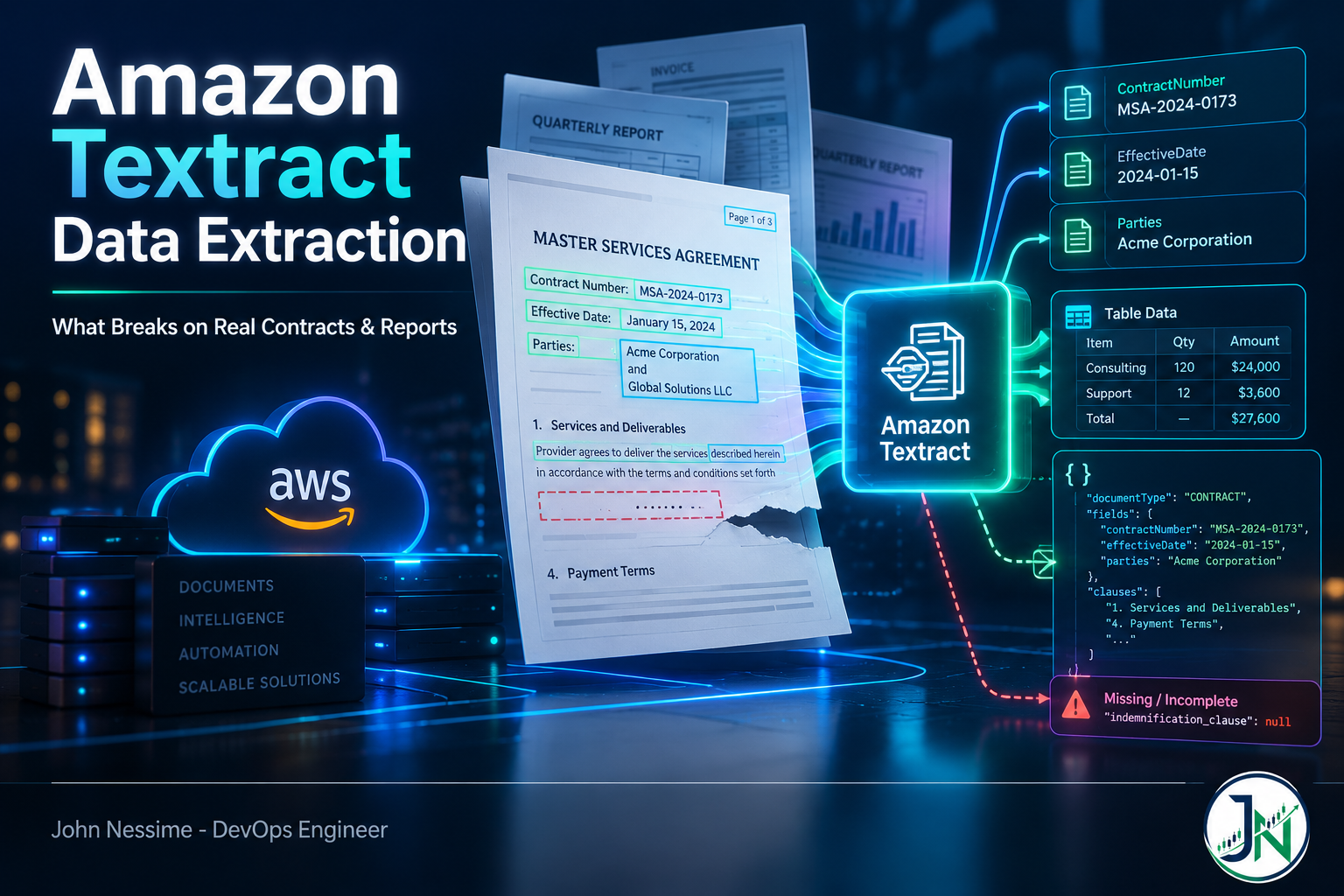
Amazon Textract Data Extraction: What Breaks on Real Contracts and Reports

Textract rarely fails loudly. It returns a plausible result that is quietly incomplete: a truncated result set, a tick box read as an empty string, a clause split across a page break. A practitioner's guide to the failure modes that actually bite when you point Amazon Textract at contracts, technical reports and correspondence, plus how to choose between sync and async, which feature types are worth paying for, and where Textract stops being the right tool.

Continue ReadingAmazon Textract Data Extraction: What Breaks on Real Contracts and Reports

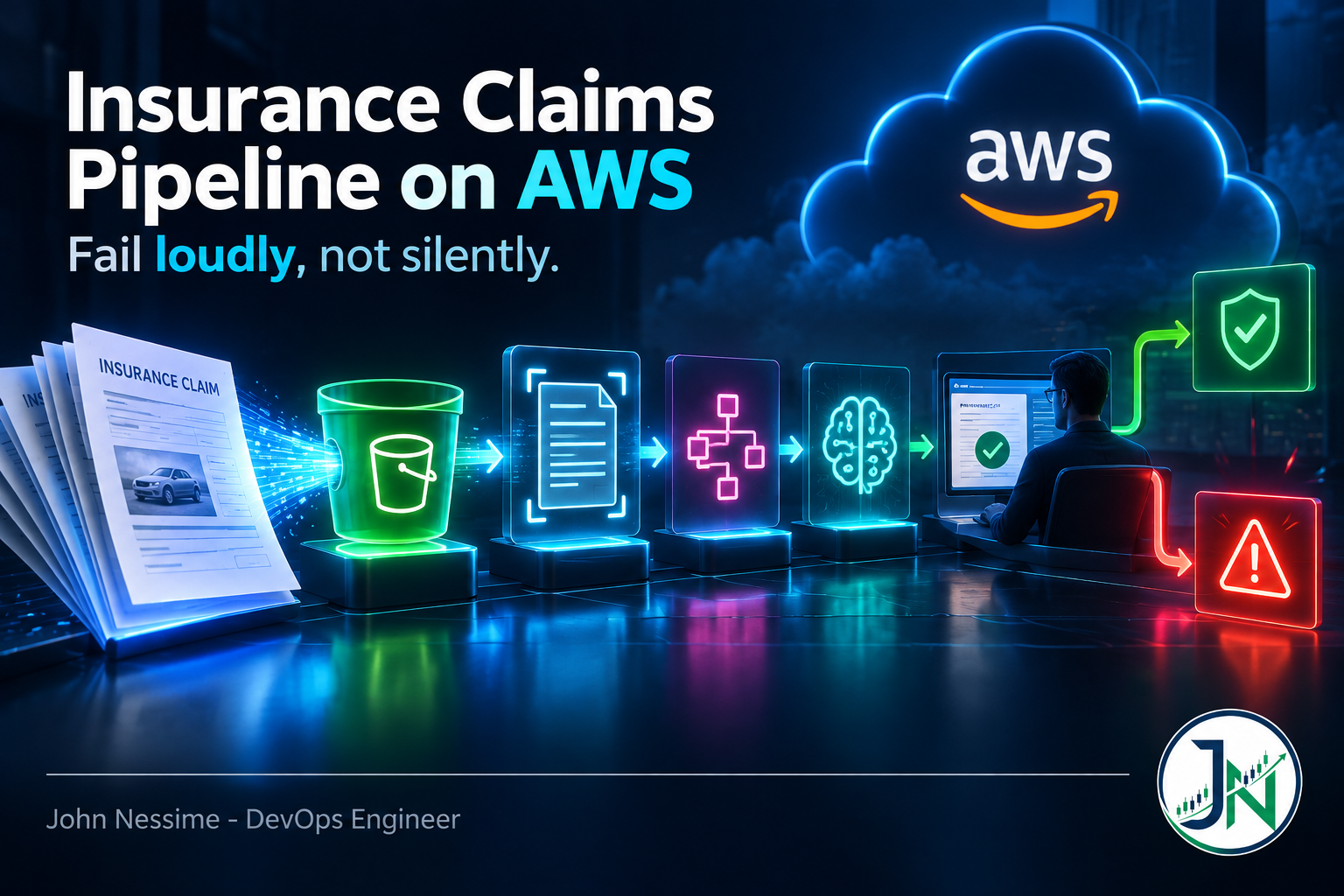
Building an Insurance Claims Processing Pipeline on AWS That Fails Loudly

Claims pipelines rarely crash. They succeed, emit clean JSON, and hand a wrong number to a payment system. Six failure families in an insurance claims processing pipeline on AWS, with the Textract, Bedrock Data Automation and Step Functions details that decide whether a bad extraction is visible or silent.

Continue ReadingBuilding an Insurance Claims Processing Pipeline on AWS That Fails Loudly

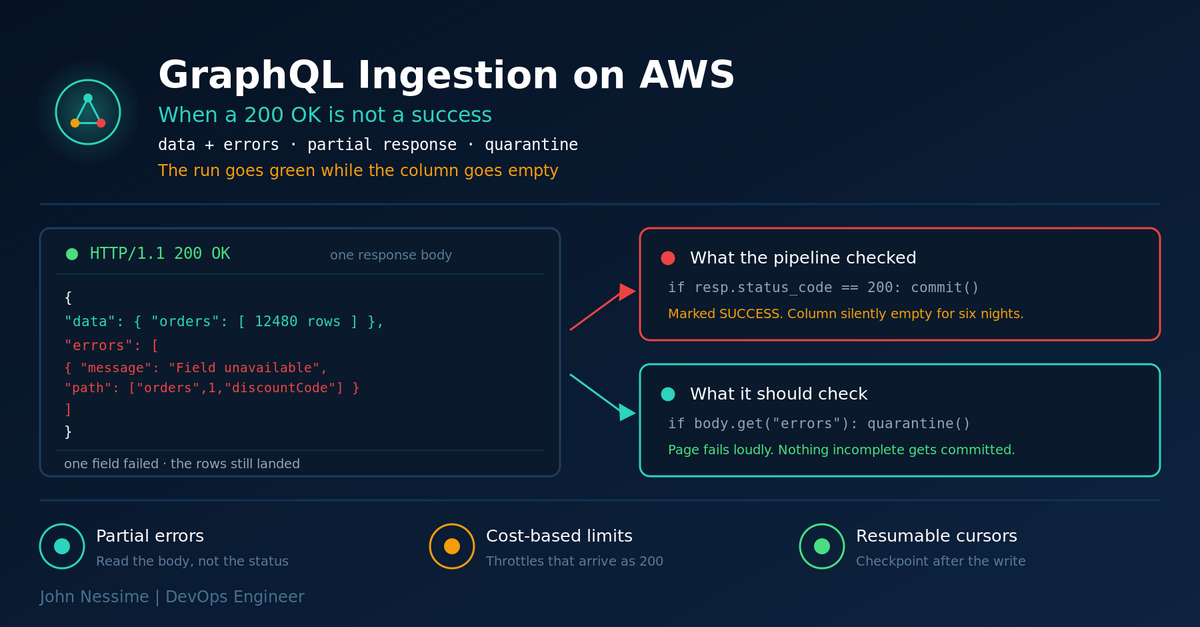
Building a GraphQL Data Ingestion Pipeline on AWS That Doesn’t Lie to You

A GraphQL source can hand you a 200 OK, a populated data block, and a quietly broken column in the same response. Here is how to build a GraphQL data ingestion pipeline on AWS that catches partial errors, respects cost-based rate limits, resumes cleanly from a cursor, and notices when the schema moves under you.

Continue ReadingBuilding a GraphQL Data Ingestion Pipeline on AWS That Doesn’t Lie to You

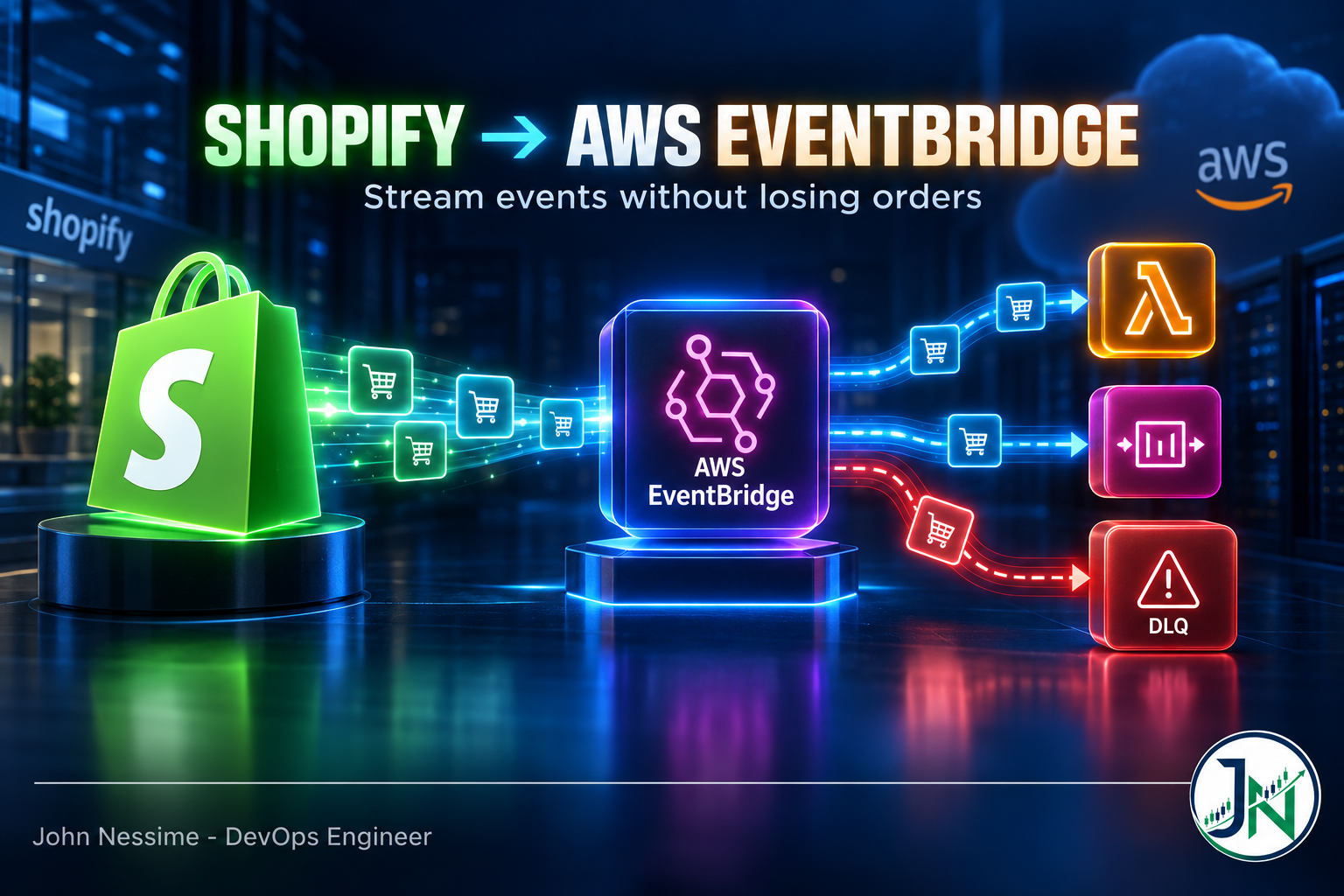
Streaming Shopify Events into AWS Without Losing Orders

Wiring Shopify webhooks into Amazon EventBridge takes an afternoon. Keeping every order is the hard part. A walk through the five failure families that actually bite when streaming Shopify events into AWS: the partner source that silently drops everything, duplicate and out-of-order deliveries, rule patterns that match nothing, targets that fail without a dead-letter queue, and the 64 KB metering rule that quietly inflates the bill.

Continue ReadingStreaming Shopify Events into AWS Without Losing Orders