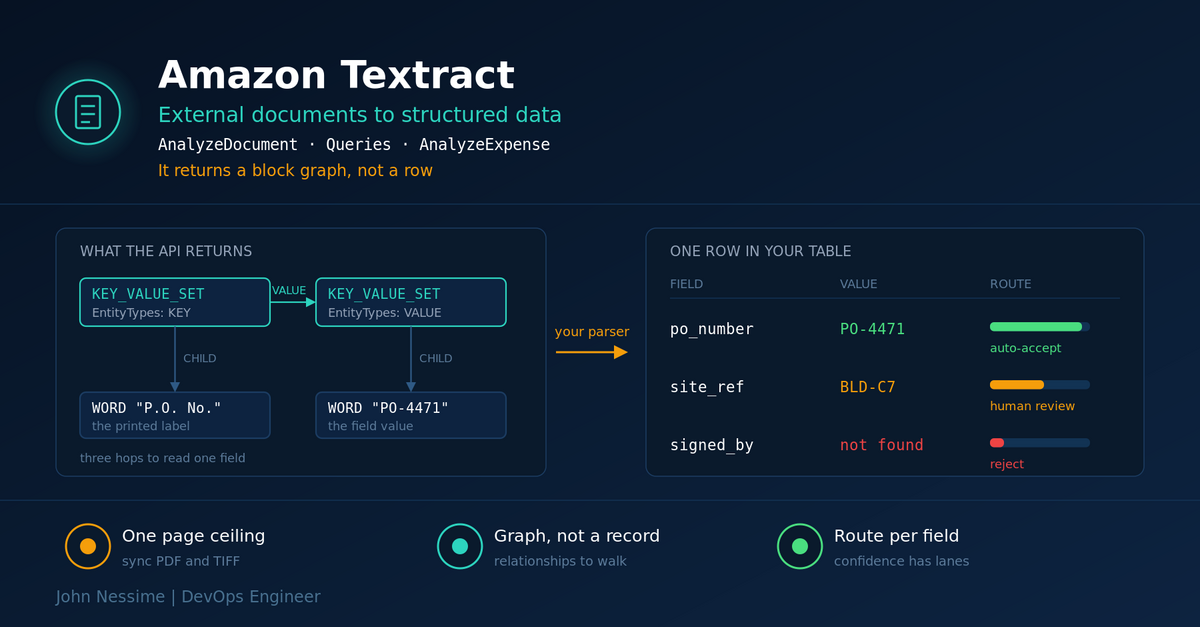
Turning External Documents Into Structured Data With Amazon Textract

Amazon Textract almost never fails loudly. A working guide to turning external PDFs and scans into structured data: picking the right operation per document family, parsing the block graph, routing on per-field confidence, and catching the limits that silently truncate your records.
Continue ReadingTurning External Documents Into Structured Data With Amazon Textract

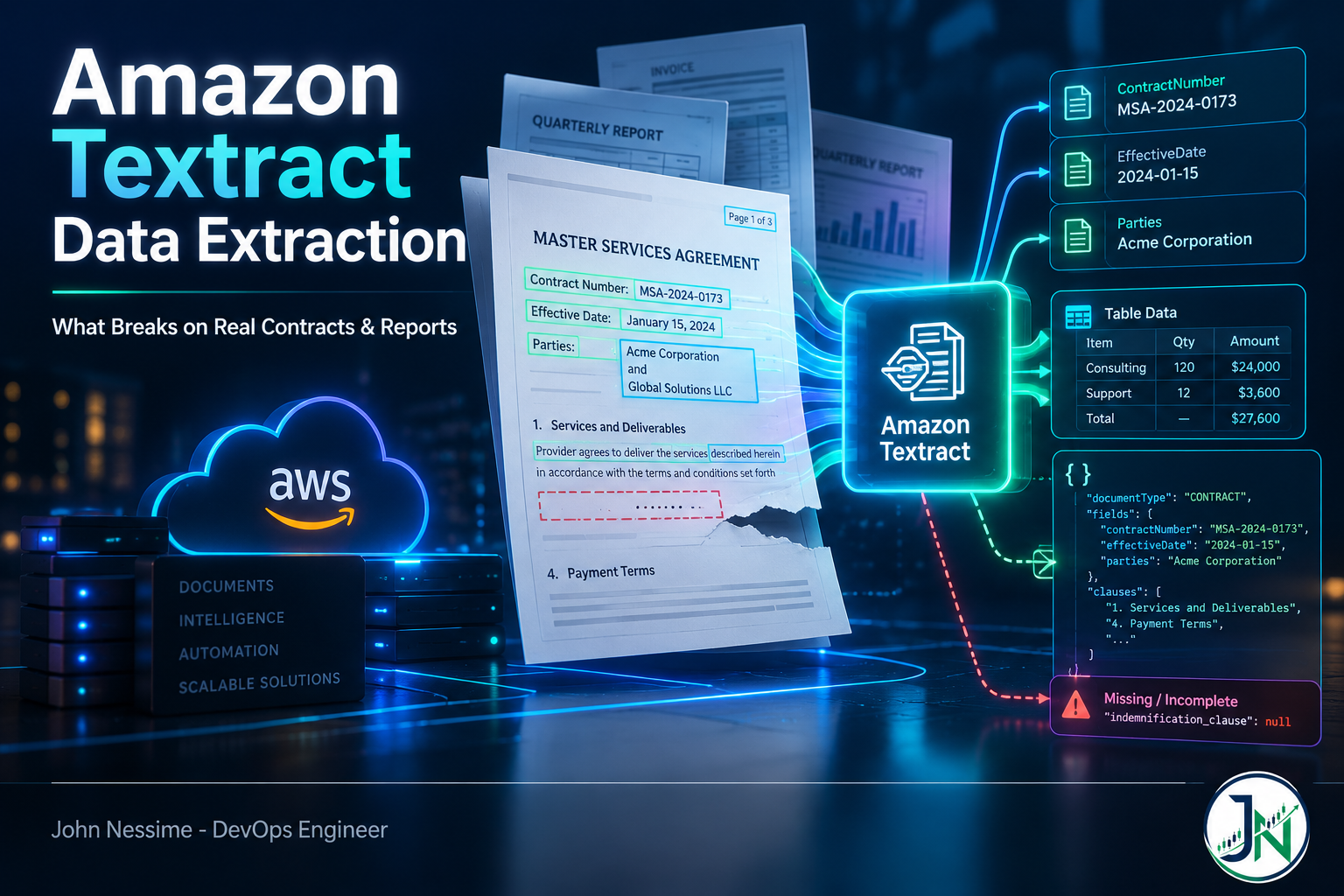
Amazon Textract Data Extraction: What Breaks on Real Contracts and Reports

Textract rarely fails loudly. It returns a plausible result that is quietly incomplete: a truncated result set, a tick box read as an empty string, a clause split across a page break. A practitioner's guide to the failure modes that actually bite when you point Amazon Textract at contracts, technical reports and correspondence, plus how to choose between sync and async, which feature types are worth paying for, and where Textract stops being the right tool.

Continue ReadingAmazon Textract Data Extraction: What Breaks on Real Contracts and Reports

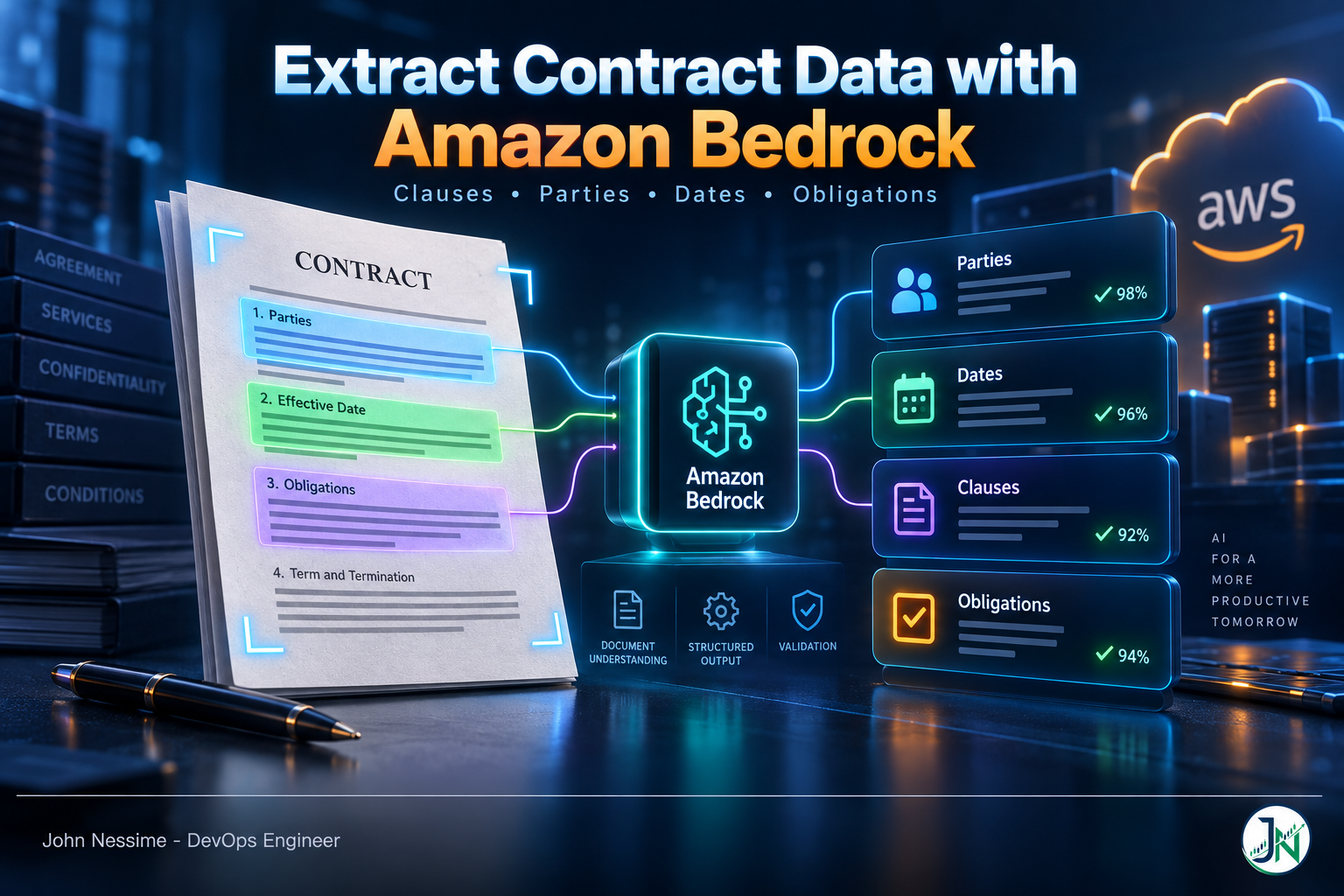
Extracting Clauses, Parties, Dates and Obligations with Amazon Bedrock

Valid JSON is not correct data. A practical guide to extracting clauses, parties, dates and obligations from contracts with Amazon Bedrock: the two build paths, schema design, the three failure families that produce confident wrong answers, and the validation layer that catches them.

Continue ReadingExtracting Clauses, Parties, Dates and Obligations with Amazon Bedrock

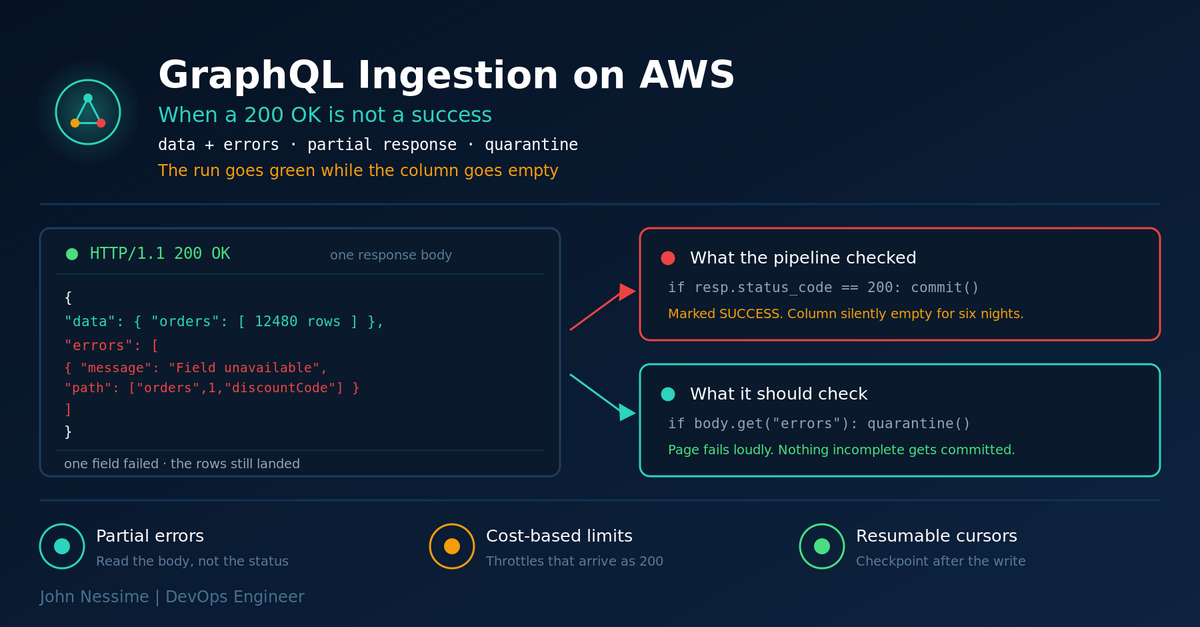
Building a GraphQL Data Ingestion Pipeline on AWS That Doesn’t Lie to You

A GraphQL source can hand you a 200 OK, a populated data block, and a quietly broken column in the same response. Here is how to build a GraphQL data ingestion pipeline on AWS that catches partial errors, respects cost-based rate limits, resumes cleanly from a cursor, and notices when the schema moves under you.

Continue ReadingBuilding a GraphQL Data Ingestion Pipeline on AWS That Doesn’t Lie to You

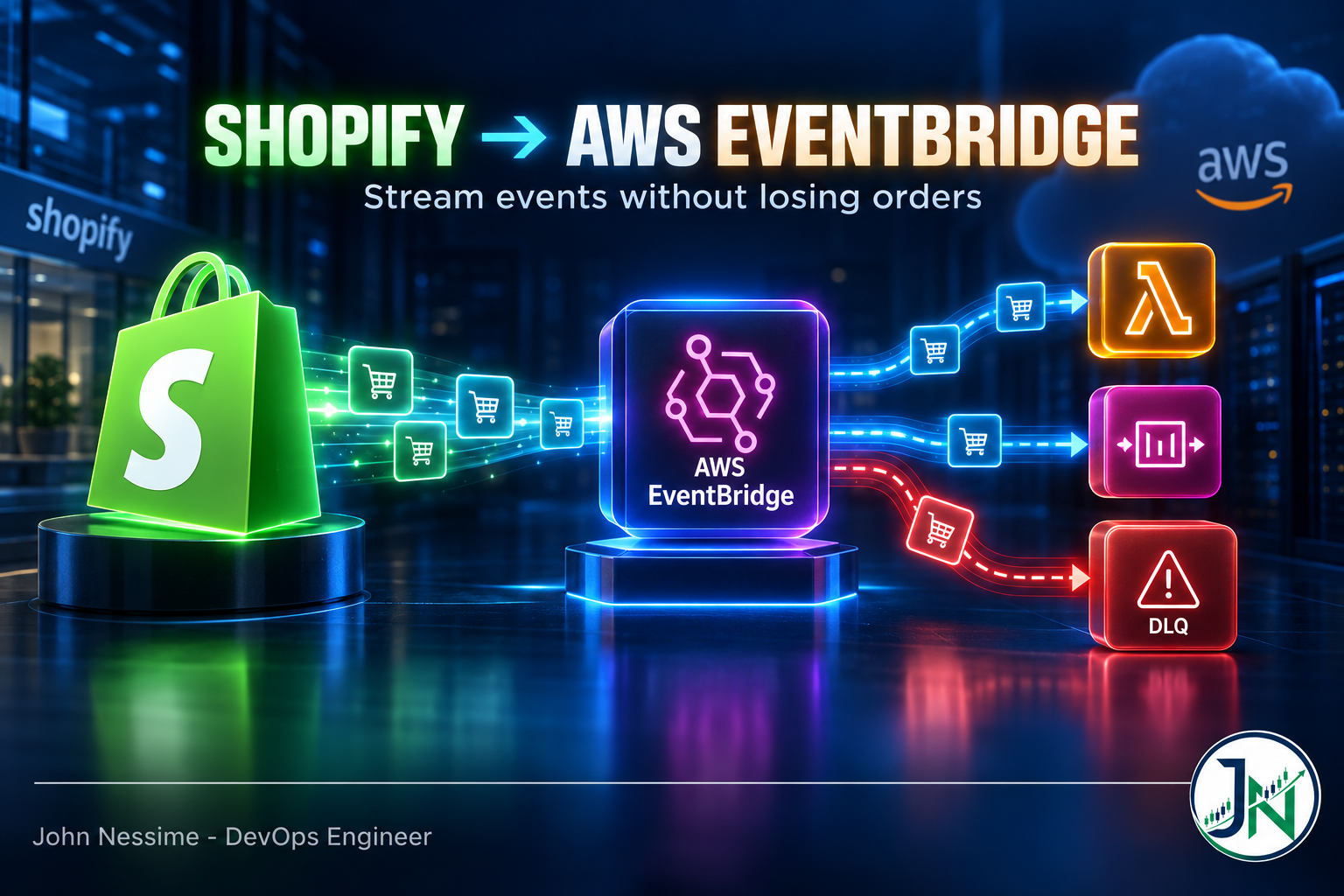
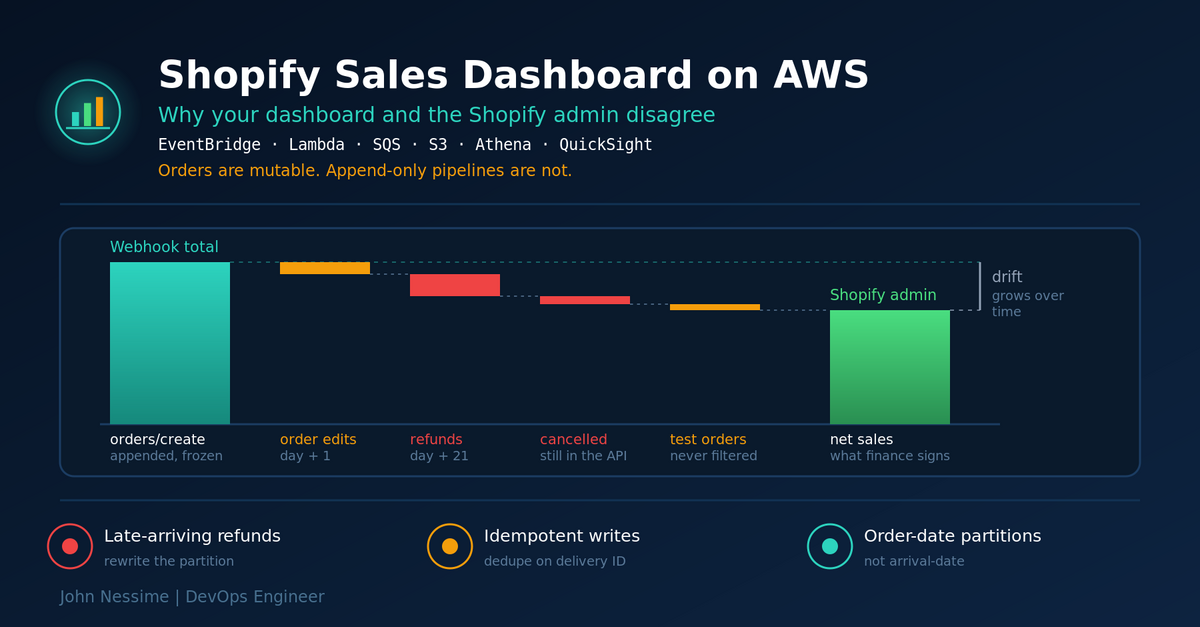
Streaming Shopify Events into AWS Without Losing Orders

Wiring Shopify webhooks into Amazon EventBridge takes an afternoon. Keeping every order is the hard part. A walk through the five failure families that actually bite when streaming Shopify events into AWS: the partner source that silently drops everything, duplicate and out-of-order deliveries, rule patterns that match nothing, targets that fail without a dead-letter queue, and the 64 KB metering rule that quietly inflates the bill.

Continue ReadingStreaming Shopify Events into AWS Without Losing Orders

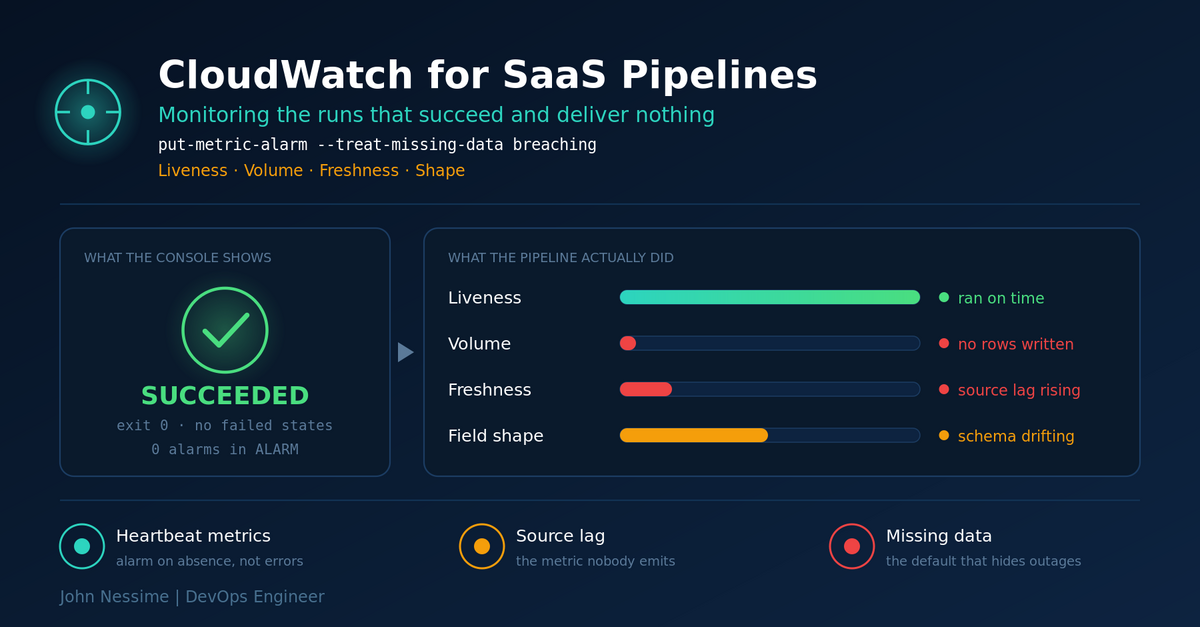
CloudWatch Data Pipeline Monitoring: Catching the Runs That Succeed and Deliver Nothing

Your SaaS pipeline will fail far more often by succeeding at nothing than by throwing an exception, and every CloudWatch default treats an absent metric as a non-event. Here are the four signals worth alarming on: liveness, volume, freshness and shape, plus the missing-data traps that leave alarms permanently green.

Continue ReadingCloudWatch Data Pipeline Monitoring: Catching the Runs That Succeed and Deliver Nothing

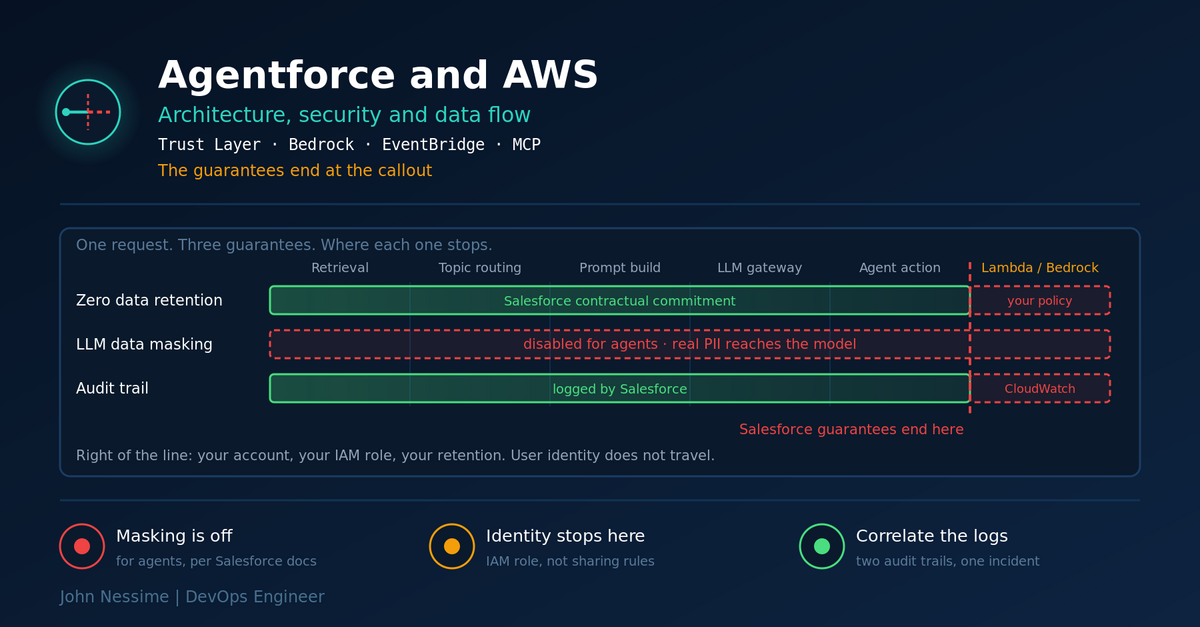
Agentforce and AWS: Where the Trust Layer Stops and Your Logs Begin

Agentforce and AWS wire together in four standard patterns, and every one of them has a point where Salesforce's guarantees stop and yours start. This traces a single request across each boundary it crosses, covers the Trust Layer default most write-ups get wrong (LLM data masking is disabled for agents), and sets out what changes the moment a callout lands in your own account: retention, audit trail, and user identity that does not travel.

Continue ReadingAgentforce and AWS: Where the Trust Layer Stops and Your Logs Begin

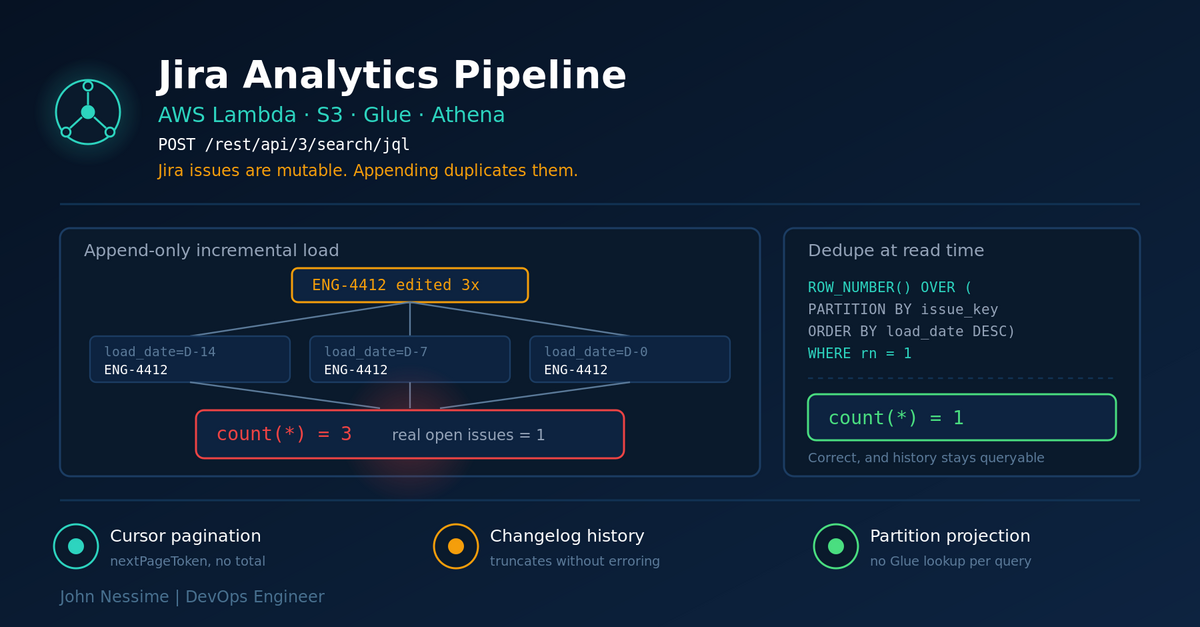
Building a Jira Analytics Pipeline with AWS Lambda and Athena (Without Double-Counting Everything)

Jira's built-in reports stop at the board boundary. This guide walks through a Jira analytics pipeline built on AWS Lambda, S3 and Athena, organised around the four failure families that actually bite: the removed search endpoint, silently truncated changelogs, incremental loads that duplicate rows, and an S3 layout that quietly inflates your query bill.

Continue ReadingBuilding a Jira Analytics Pipeline with AWS Lambda and Athena (Without Double-Counting Everything)