S3 Tables vs Iceberg on S3: When Managed Compaction Is Worth Paying For

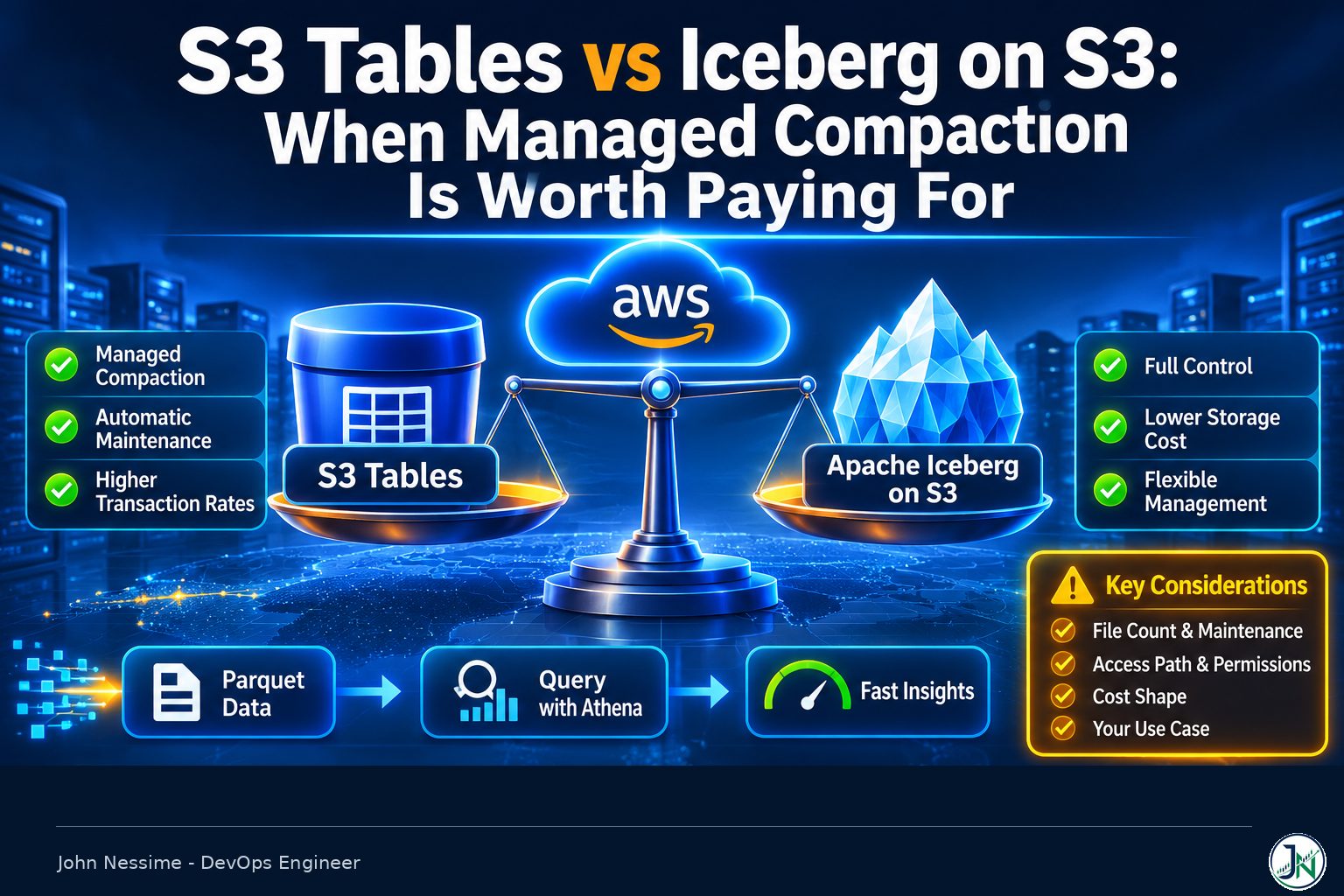
Managed Iceberg is not a storage upgrade, it is a decision about who owns compaction, snapshot expiry and orphan cleanup. A practical comparison of S3 Tables against Iceberg in general purpose S3 buckets, covering the maintenance you actually get, the Lake Formation trap in the access path, how the two bills are shaped, and a seven-step decision procedure you can run against a single table.
Continue ReadingS3 Tables vs Iceberg on S3: When Managed Compaction Is Worth Paying For

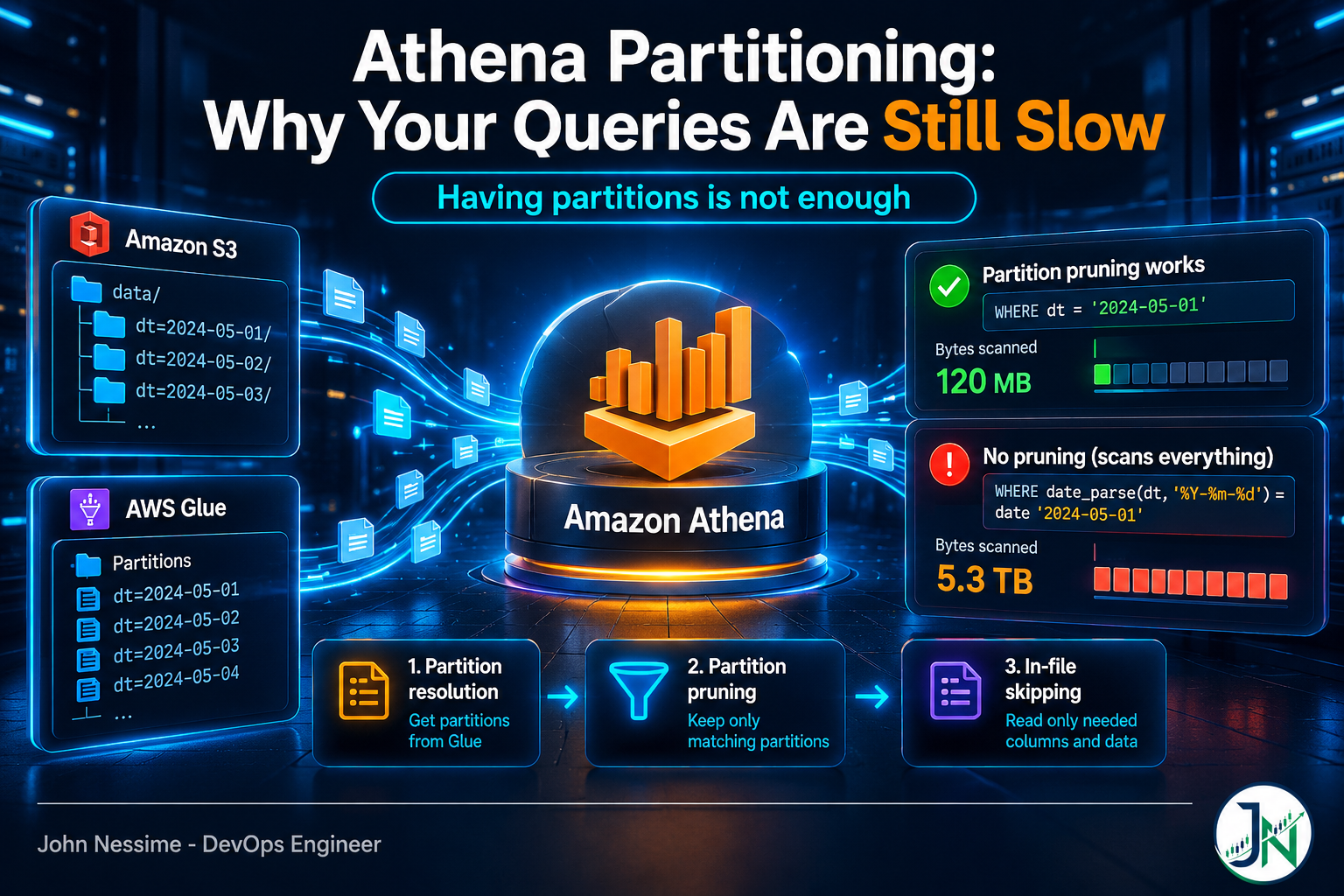
Athena Partitioning: Why Your Queries Are Still Slow

Partitioning an Athena table is not the same as getting the benefit of it. A walkthrough of the three failure families behind slow queries on partitioned external data: predicates that never prune, catalog lookups that dominate planning, and file layouts that undo everything. Includes partition projection trade-offs, Glue partition indexes, compaction patterns, and how to tell which problem you have.

Continue ReadingAthena Partitioning: Why Your Queries Are Still Slow

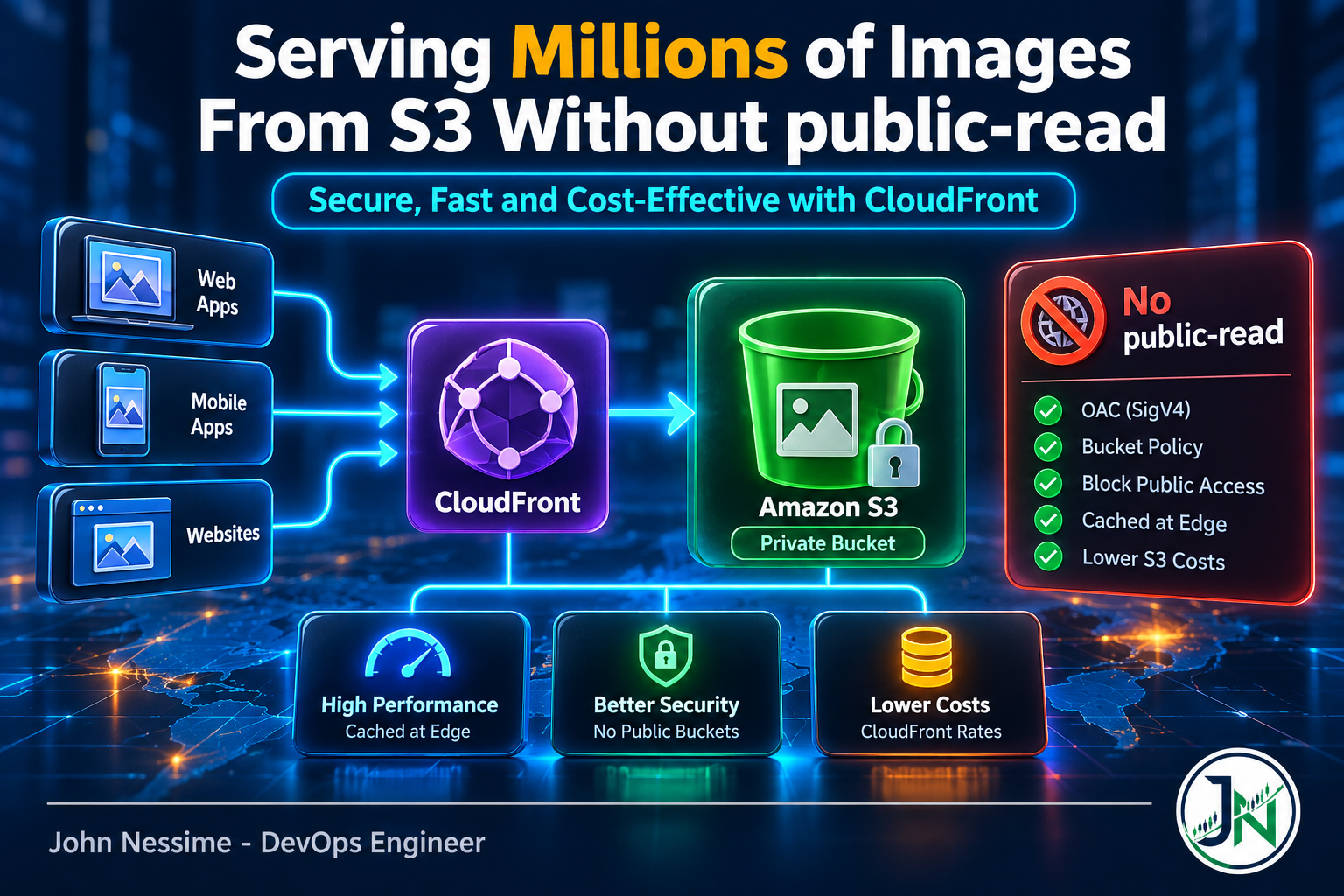
Serving Millions of Images From S3 Without public-read

A public S3 object gives every viewer a second path to your bytes, one that skips your cache, ignores your headers and bills on a different rate card. Here is how to serve S3 images without public-read at scale: origin access control, the bucket policy condition that matters, the 403-versus-404 trap that turns missing thumbnails into origin load, and cache design that survives millions of objects.

Continue ReadingServing Millions of Images From S3 Without public-read

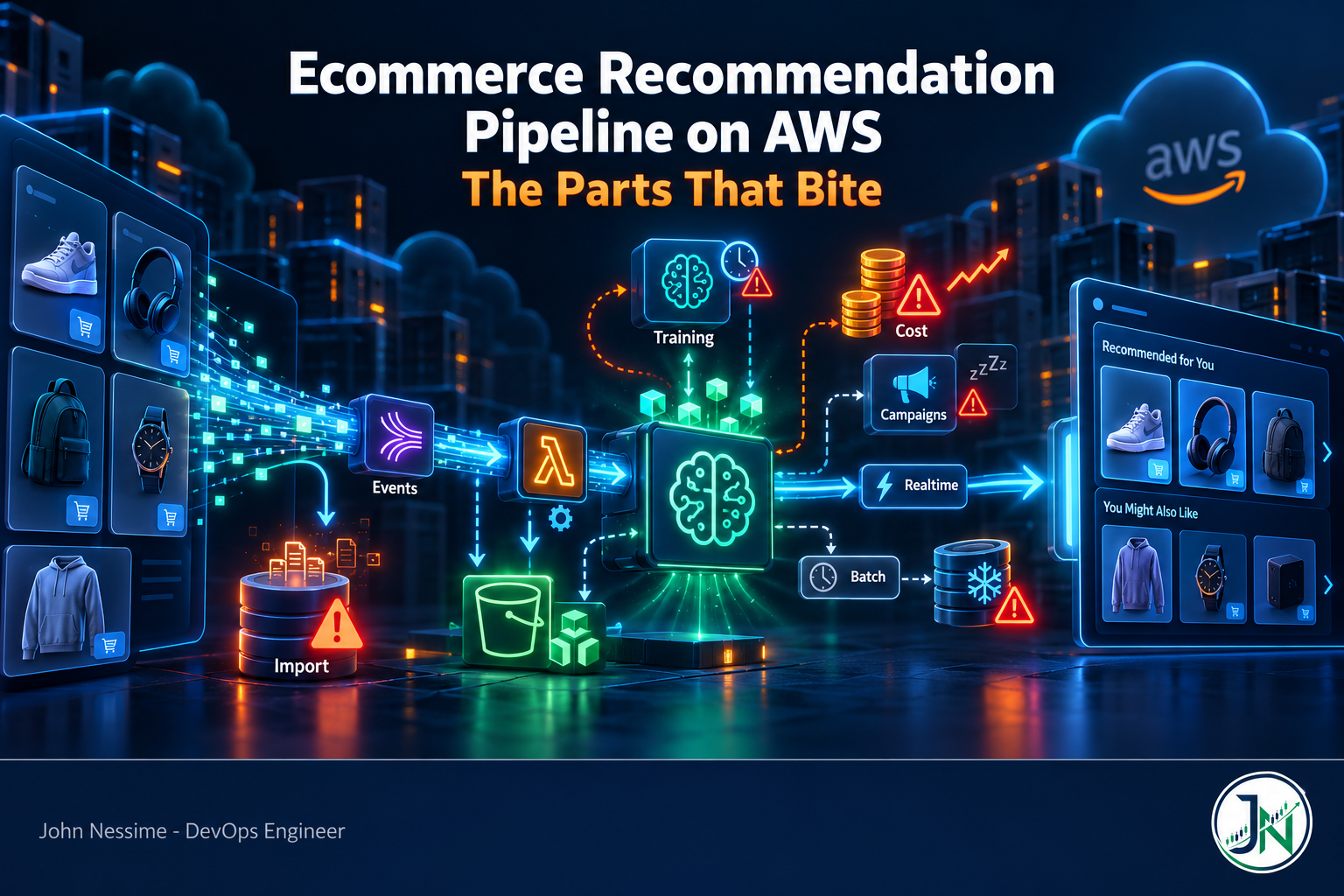
Building an Ecommerce Recommendation Pipeline on AWS: The Parts That Bite

An idle Amazon Personalize setup does not throw errors. It just bills. A practical walkthrough of the five decisions that shape an AWS ecommerce recommendation pipeline: domain recommenders versus custom recipes, bulk versus streaming ingestion, schema limits, training cadence, and real-time versus batch serving, with the failure modes that stay invisible until the invoice arrives.

Continue ReadingBuilding an Ecommerce Recommendation Pipeline on AWS: The Parts That Bite

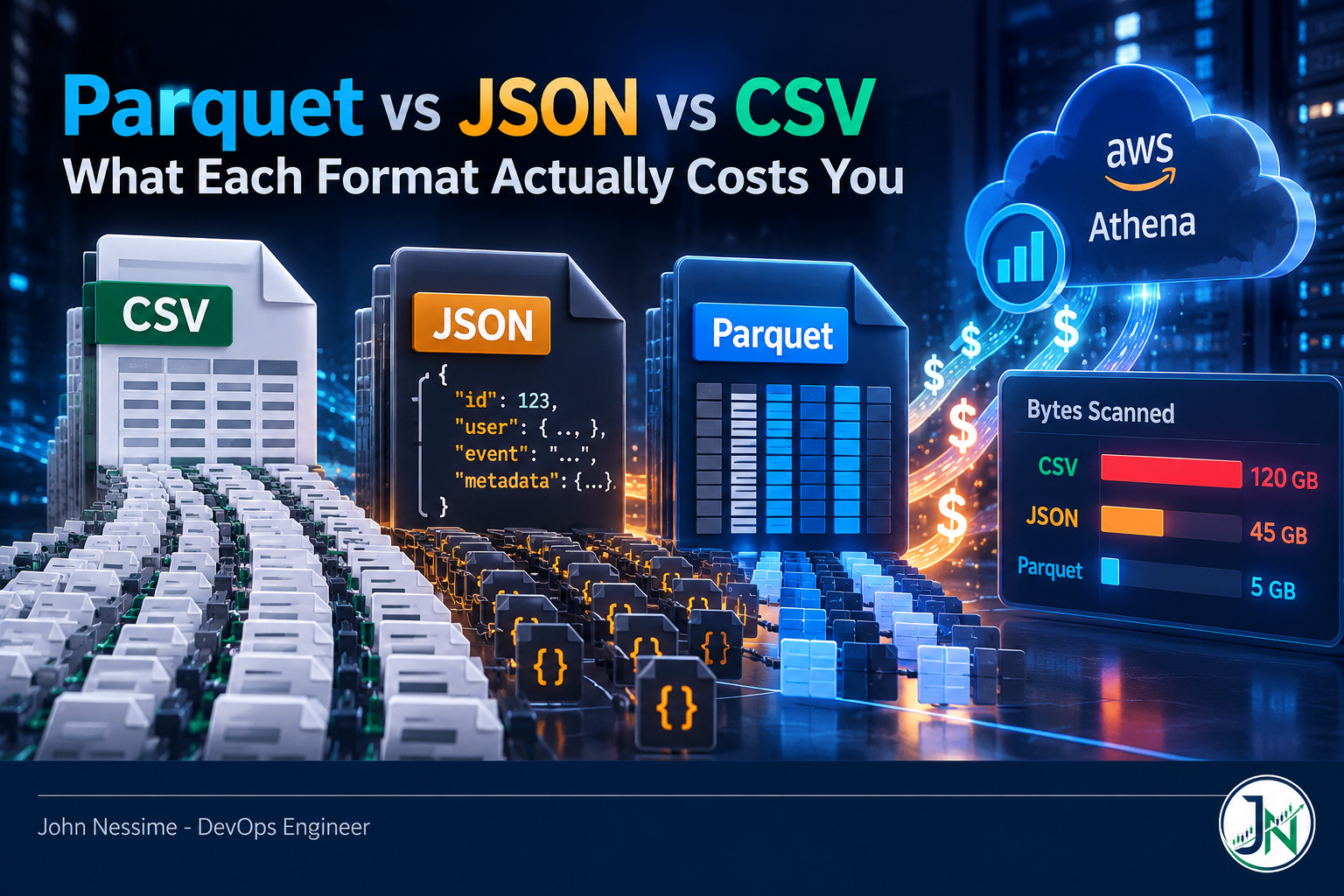
Parquet vs JSON vs CSV: What Each Format Actually Costs You

Format choice shows up as a bill, not a performance complaint. A working breakdown of where the money actually goes across Parquet, JSON and CSV: column pruning, row-group skipping, the gzip splittability trap, and request overhead. Includes a procedure for measuring the difference on your own data, and an honest account of where Parquet costs you.

Continue ReadingParquet vs JSON vs CSV: What Each Format Actually Costs You

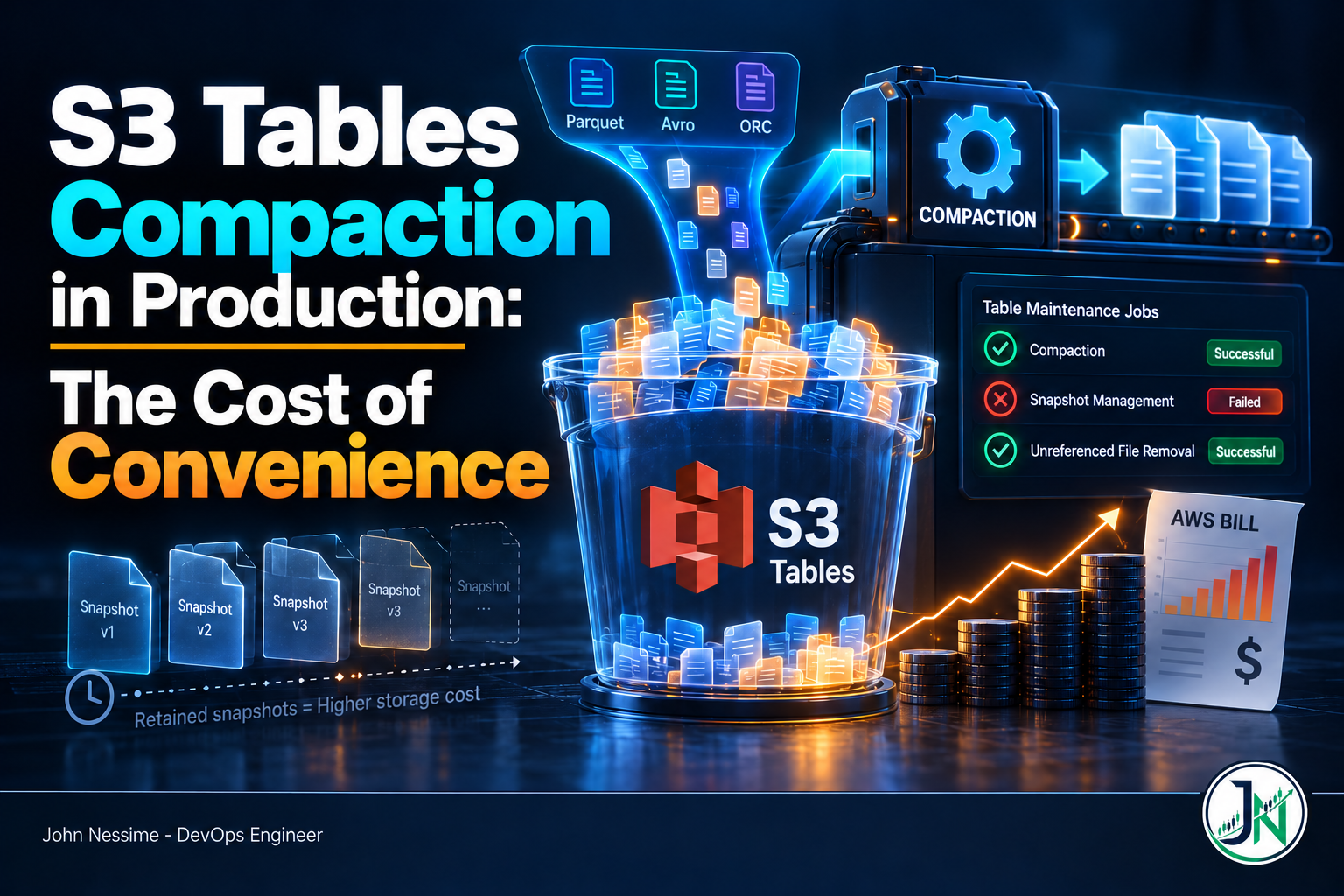
S3 Tables Compaction in Production: The Cost of Convenience

Managed Iceberg compaction in S3 Tables removes real operational work, but it will not tell you when it stops. A practical look at the maintenance jobs that fail silently, the retention cascade that keeps superseded data on your bill for two weeks, how compaction charges actually accumulate, and the handful of knobs worth touching.

Continue ReadingS3 Tables Compaction in Production: The Cost of Convenience

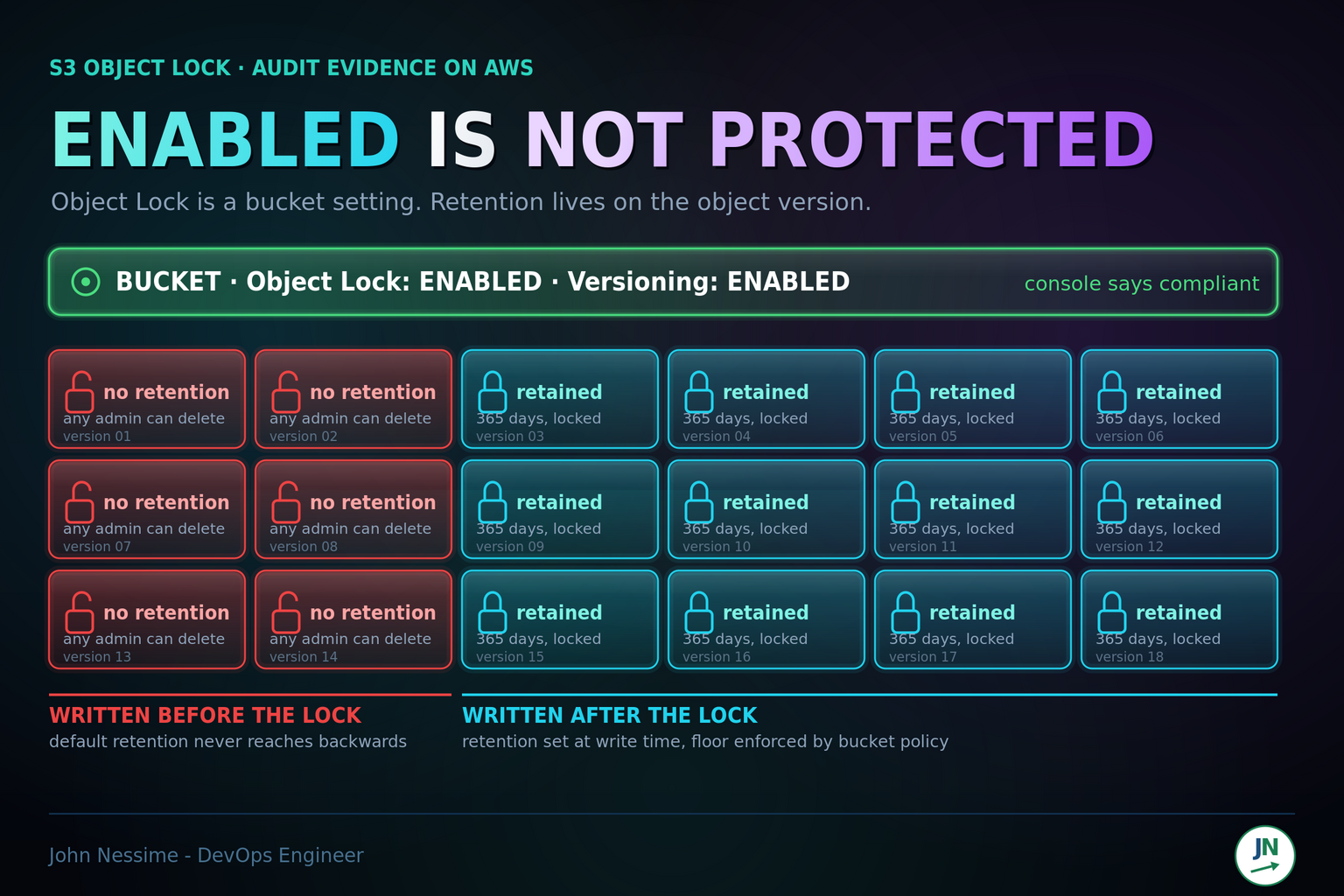
Building an Audit Evidence Repository on AWS: Immutable Retention Without Regret

Enabling S3 Object Lock on a bucket does not protect the objects already in it. This is how to build an audit evidence repository on AWS that survives the question auditors actually ask, covering retention modes you cannot undo, delete markers that hide protected versions, chain of custody, and the storage bill compliance mode makes permanent.

Continue ReadingBuilding an Audit Evidence Repository on AWS: Immutable Retention Without Regret

Property SaaS Document Storage: The Five Failures That Show Up in an Audit

Storing tenant IDs, leases and referencing packs is easy until someone asks who actually read them. Five failure families in property SaaS document storage, with the IAM policies, presigned URL mechanics, upload controls and deletion patterns that close each one.

Continue ReadingProperty SaaS Document Storage: The Five Failures That Show Up in an Audit