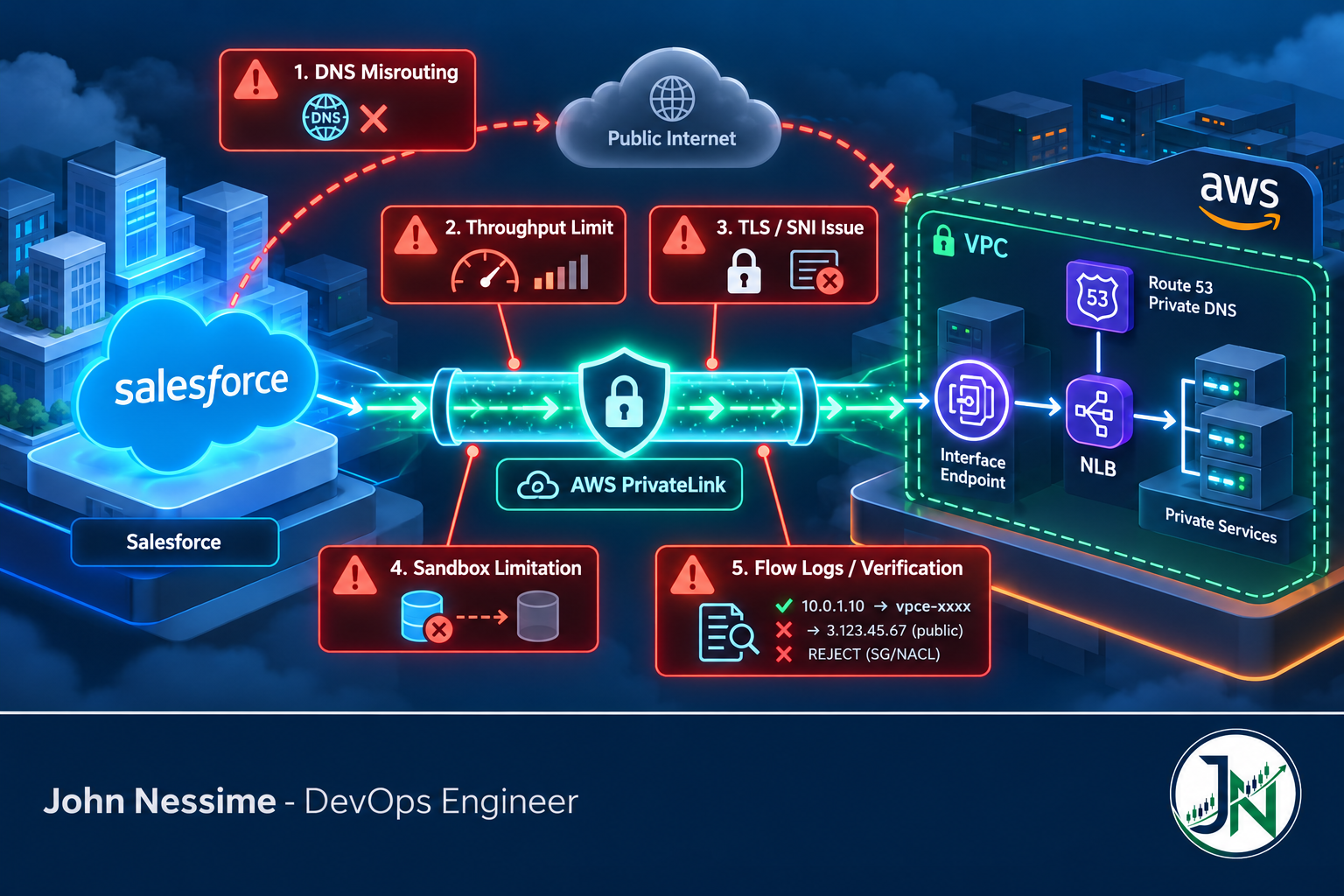
Salesforce AWS PrivateLink: The Failures Nobody Warns You About

Salesforce Private Connect over AWS PrivateLink does not fail loudly. It fails by working: green statuses, successful callouts, and packets still crossing the public internet because one DNS record was wrong. Here are the six failure families that actually bite, and how to prove your traffic is private.
Continue ReadingSalesforce AWS PrivateLink: The Failures Nobody Warns You About

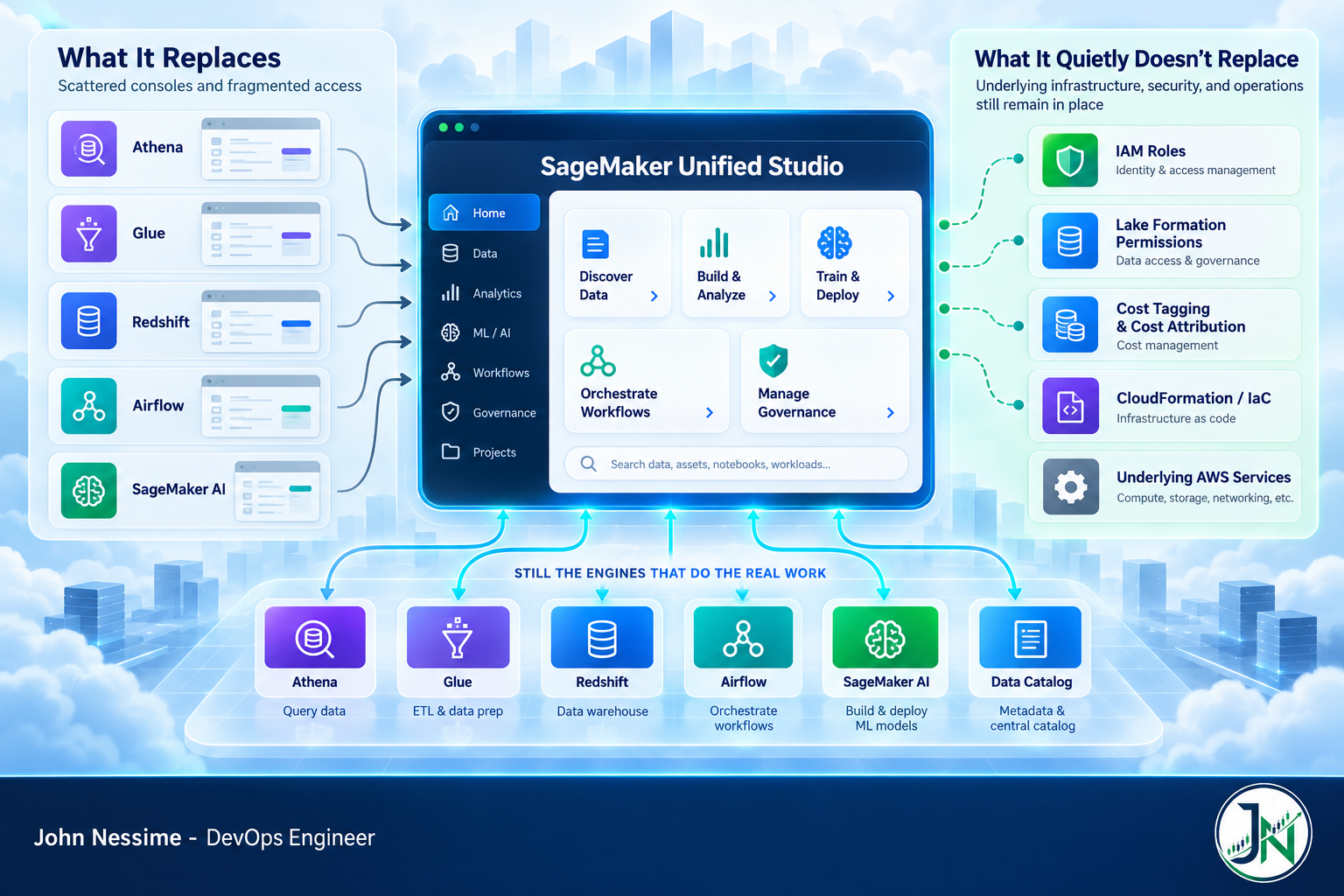
SageMaker Unified Studio: What It Replaces, and What It Quietly Doesn’t

SageMaker Unified Studio is a front door, not a runtime. It consolidates the interface while leaving your bill, your IAM design and your infrastructure as code exactly where they were, and it quietly hands you a DataZone governance system to operate. Here is what it genuinely replaces, what it doesn't, the failure modes that bite during adoption, and how to decide whether it is worth it for your team.

Continue ReadingSageMaker Unified Studio: What It Replaces, and What It Quietly Doesn’t

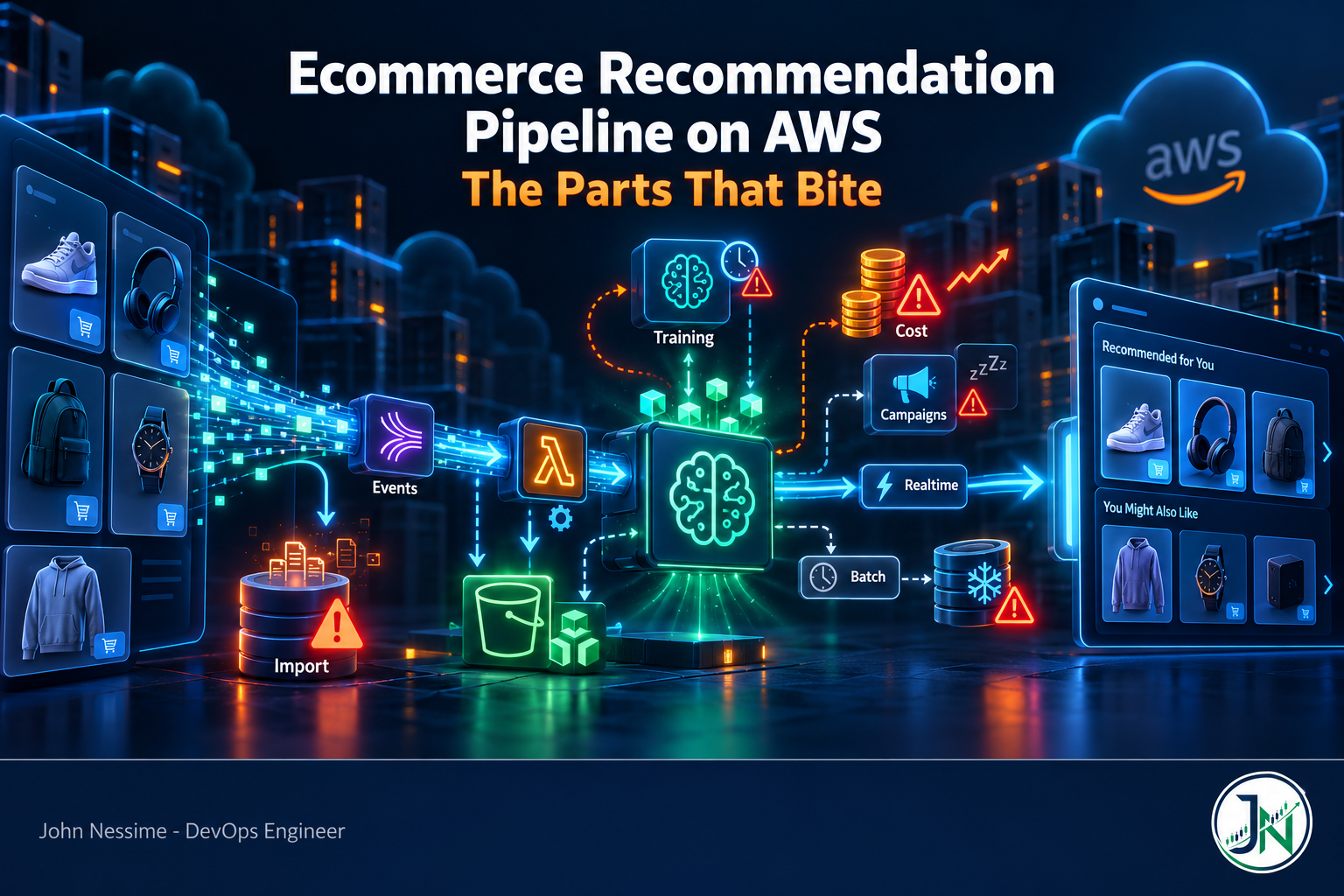
Building an Ecommerce Recommendation Pipeline on AWS: The Parts That Bite

An idle Amazon Personalize setup does not throw errors. It just bills. A practical walkthrough of the five decisions that shape an AWS ecommerce recommendation pipeline: domain recommenders versus custom recipes, bulk versus streaming ingestion, schema limits, training cadence, and real-time versus batch serving, with the failure modes that stay invisible until the invoice arrives.

Continue ReadingBuilding an Ecommerce Recommendation Pipeline on AWS: The Parts That Bite

The Delay Was in the Data Three Weeks Ago: Building a Construction Early Warning Dashboard

Schedule delay rarely arrives as a surprise. It sits in float erosion, aging RFIs and slipping weekly commitments long before the monthly update moves the finish date. Here is how to build a dashboard that catches it while there is still float left to spend.

Continue ReadingThe Delay Was in the Data Three Weeks Ago: Building a Construction Early Warning Dashboard

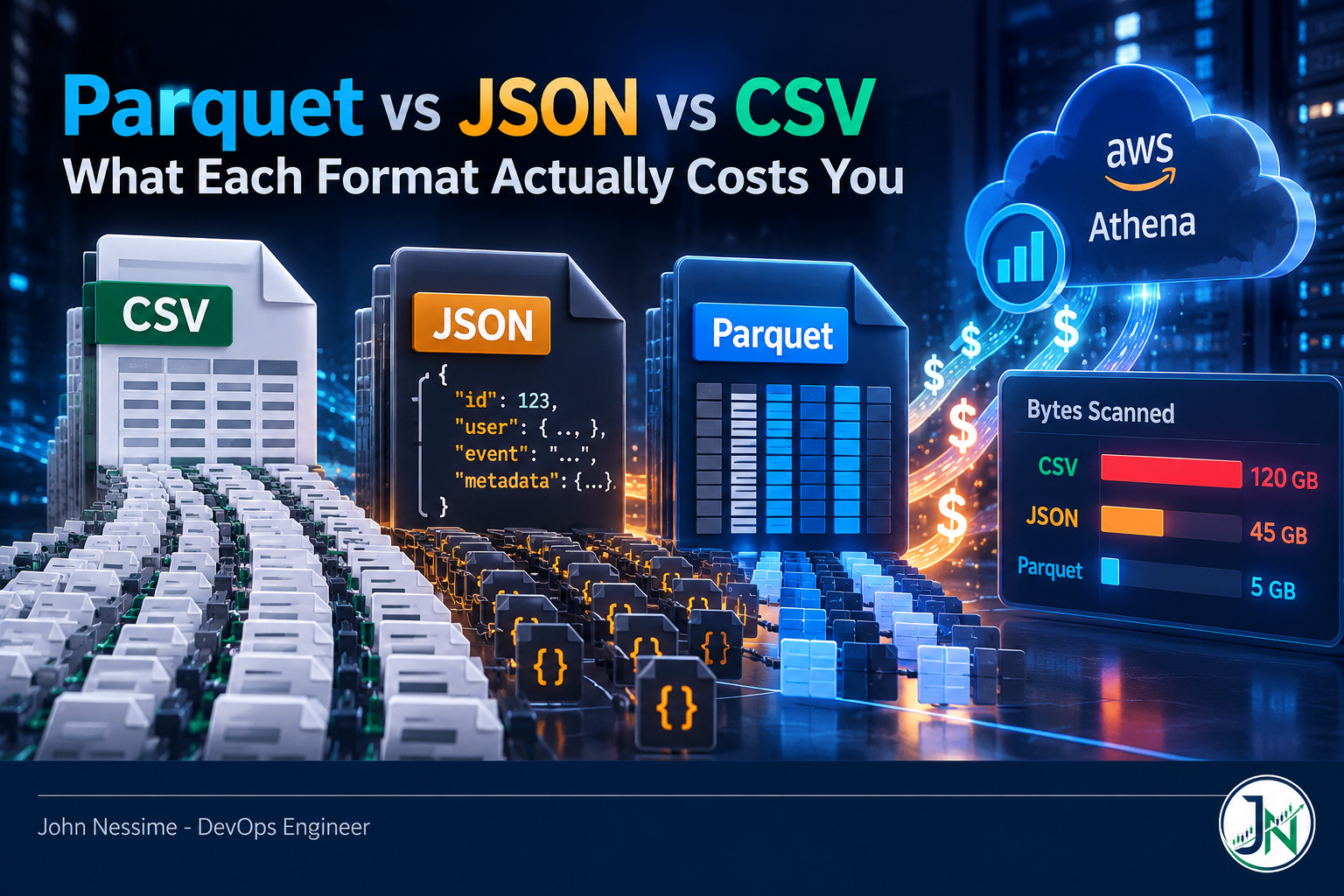
Parquet vs JSON vs CSV: What Each Format Actually Costs You

Format choice shows up as a bill, not a performance complaint. A working breakdown of where the money actually goes across Parquet, JSON and CSV: column pruning, row-group skipping, the gzip splittability trap, and request overhead. Includes a procedure for measuring the difference on your own data, and an honest account of where Parquet costs you.

Continue ReadingParquet vs JSON vs CSV: What Each Format Actually Costs You

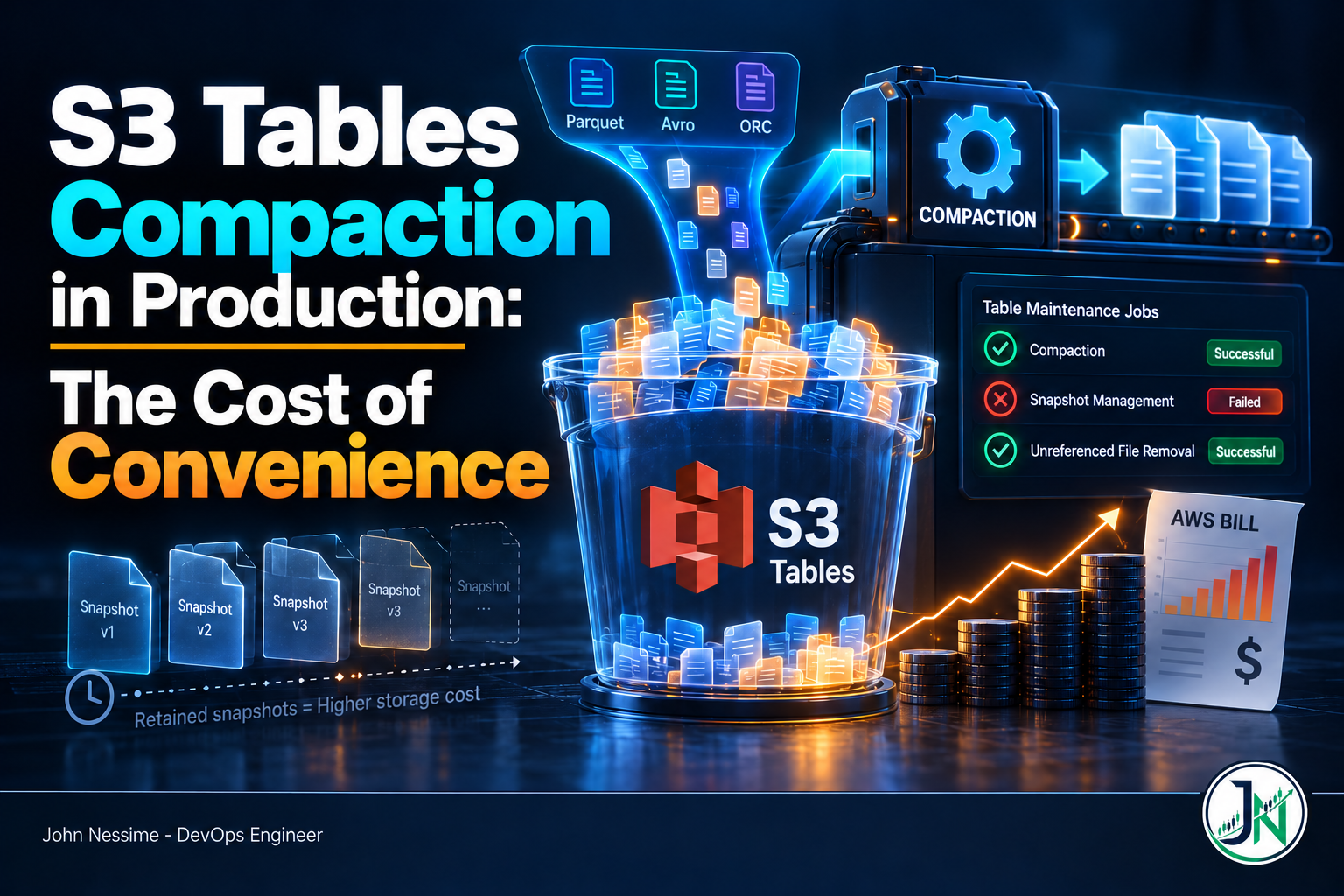
S3 Tables Compaction in Production: The Cost of Convenience

Managed Iceberg compaction in S3 Tables removes real operational work, but it will not tell you when it stops. A practical look at the maintenance jobs that fail silently, the retention cascade that keeps superseded data on your bill for two weeks, how compaction charges actually accumulate, and the handful of knobs worth touching.

Continue ReadingS3 Tables Compaction in Production: The Cost of Convenience

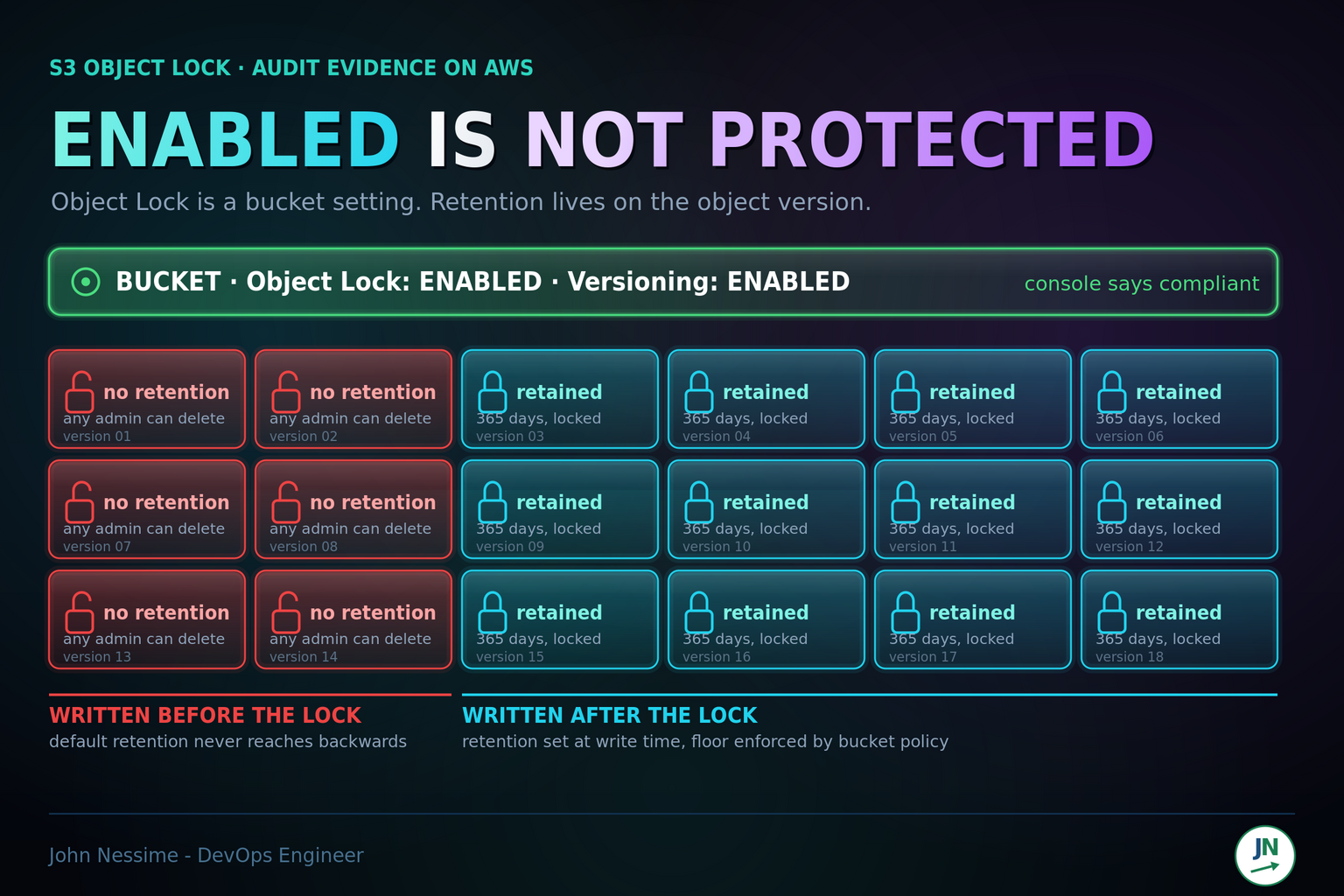
Building an Audit Evidence Repository on AWS: Immutable Retention Without Regret

Enabling S3 Object Lock on a bucket does not protect the objects already in it. This is how to build an audit evidence repository on AWS that survives the question auditors actually ask, covering retention modes you cannot undo, delete markers that hide protected versions, chain of custody, and the storage bill compliance mode makes permanent.

Continue ReadingBuilding an Audit Evidence Repository on AWS: Immutable Retention Without Regret

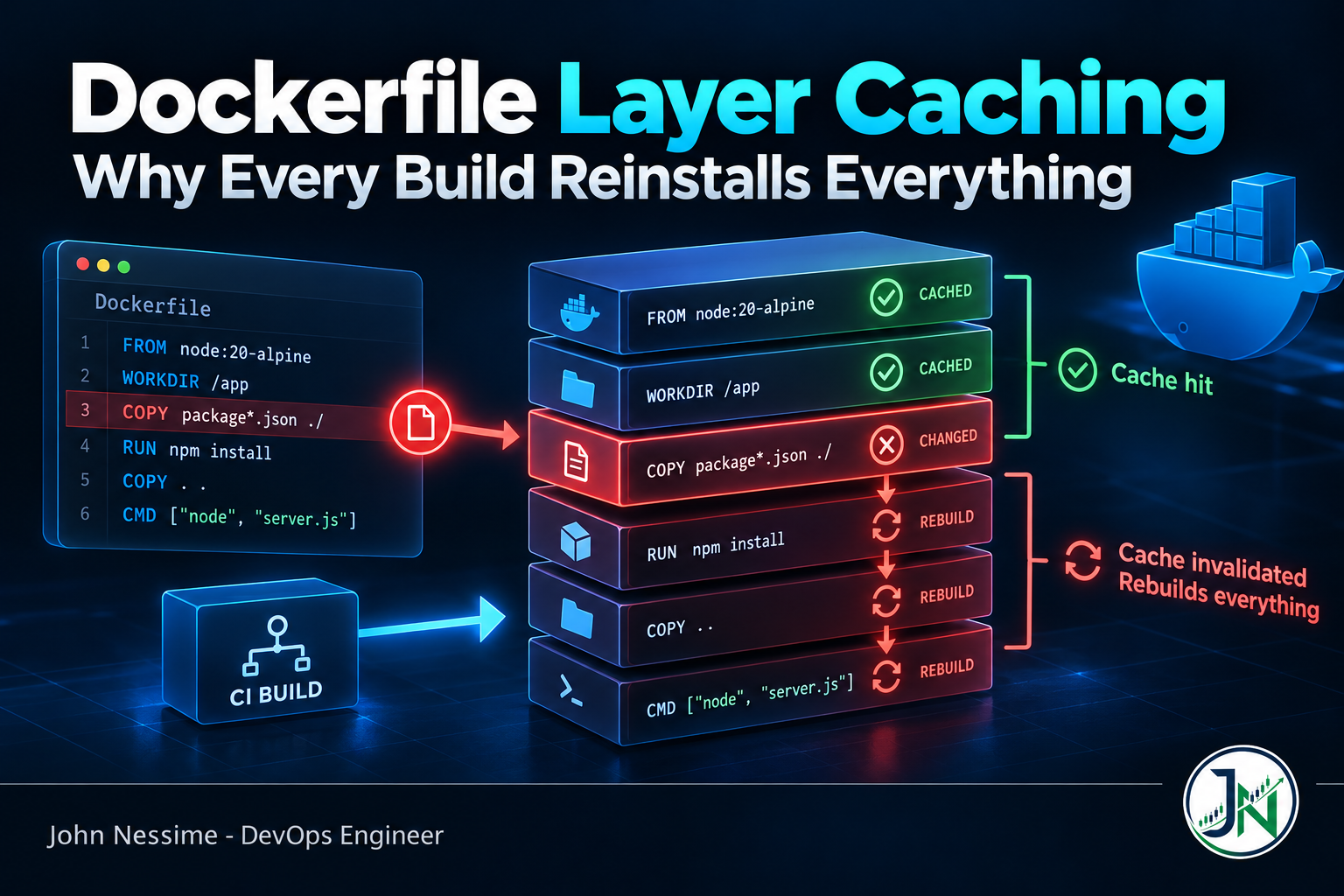
Dockerfile Layer Caching: Why Every Build Reinstalls Everything

Your Dockerfile copies the lockfile before the source, and CI still reinstalls every dependency on every commit. That gap between a correctly ordered Dockerfile and a build that behaves as if it isn't comes down to five distinct failure families: ordering traps, a build context that poisons checksums, a cache that never reaches CI, cache mounts that vanish with the runner, and multi-stage export modes. Here is how invalidation actually works and how to prove which one is costing you.

Continue ReadingDockerfile Layer Caching: Why Every Build Reinstalls Everything