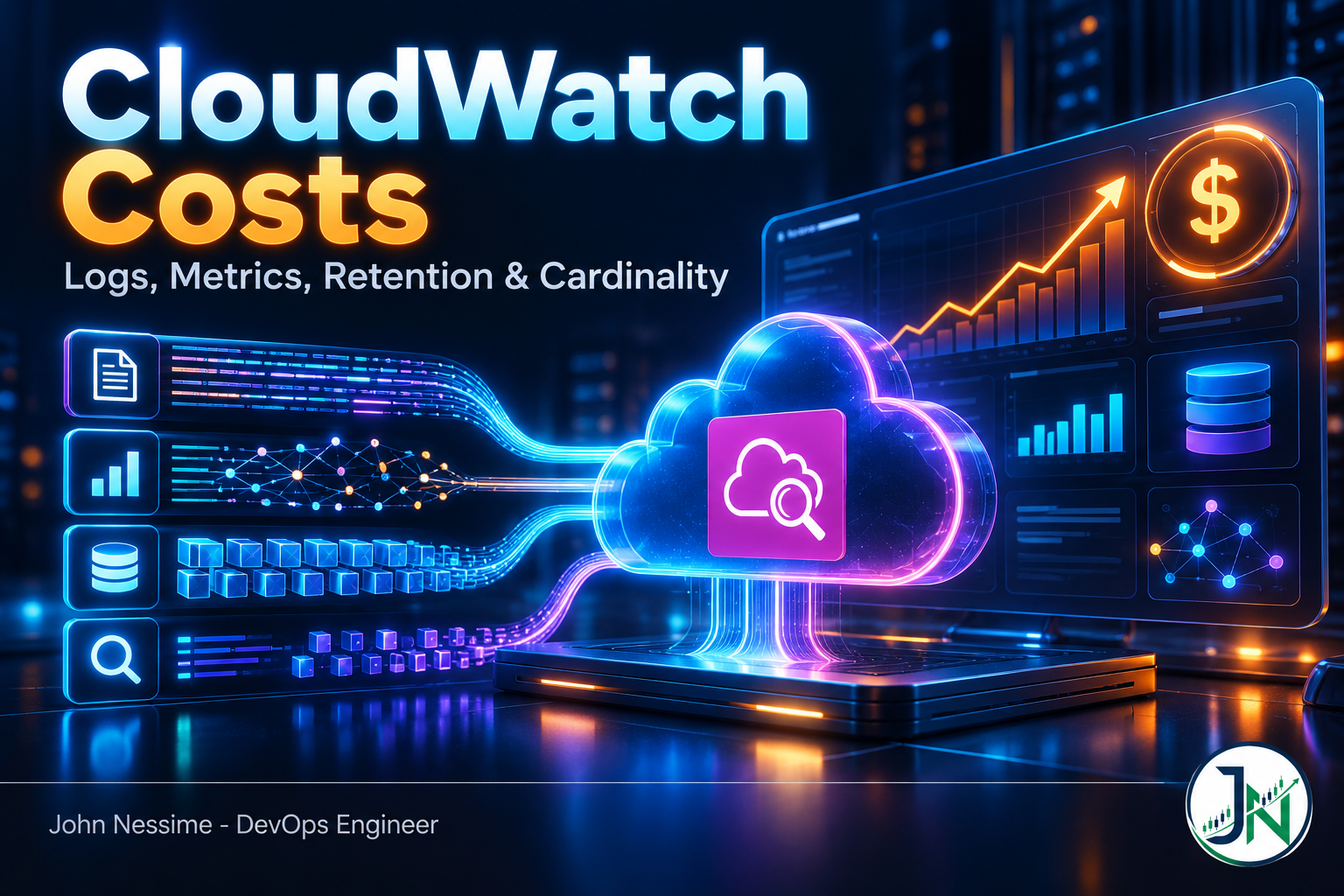
The Real Cost of CloudWatch: Logs, Metrics, Retention and Cardinality

CloudWatch rarely fails loudly, it accumulates. This is a breakdown of the four independent meters behind the bill: ingestion, storage, Logs Insights scans and custom metric cardinality. Why the same log line gets billed three times, why log groups never expire by default, how a single dimension can multiply your metrics bill without your traffic changing, and how to attribute the spend to specific log groups before you start deleting things.
Continue ReadingThe Real Cost of CloudWatch: Logs, Metrics, Retention and Cardinality

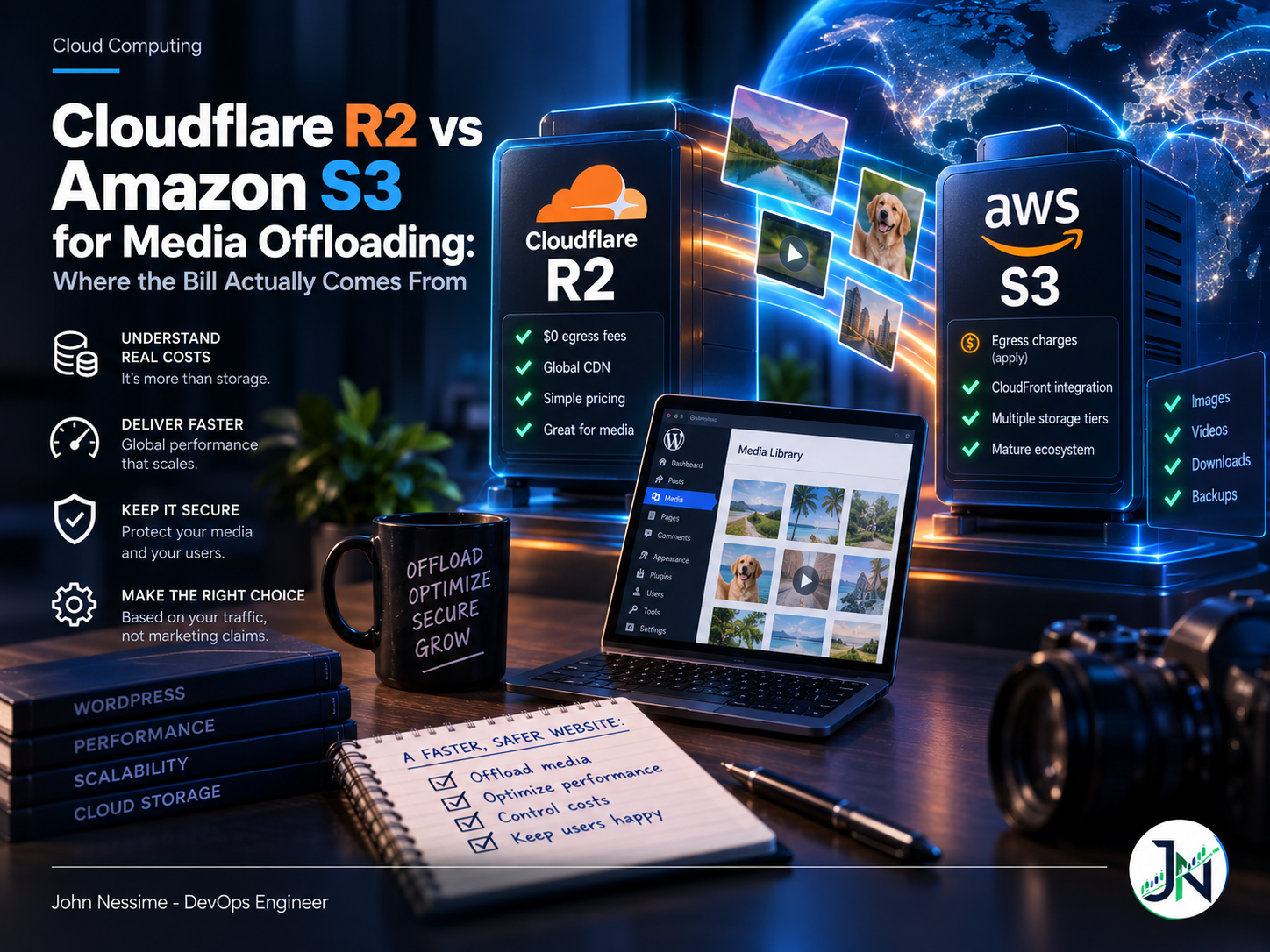
Cloudflare R2 vs Amazon S3 for Media Offloading: Where the Bill Actually Comes From

Free egress is not free serving. R2 still bills every read, S3 does not bill origin transfer to CloudFront, and the variable that decides both bills is cache hit ratio. An evenhanded comparison of Cloudflare R2 vs Amazon S3 for media offloading, with the four levers that move the number and a decision procedure you can run against your own traffic.

Continue ReadingCloudflare R2 vs Amazon S3 for Media Offloading: Where the Bill Actually Comes From

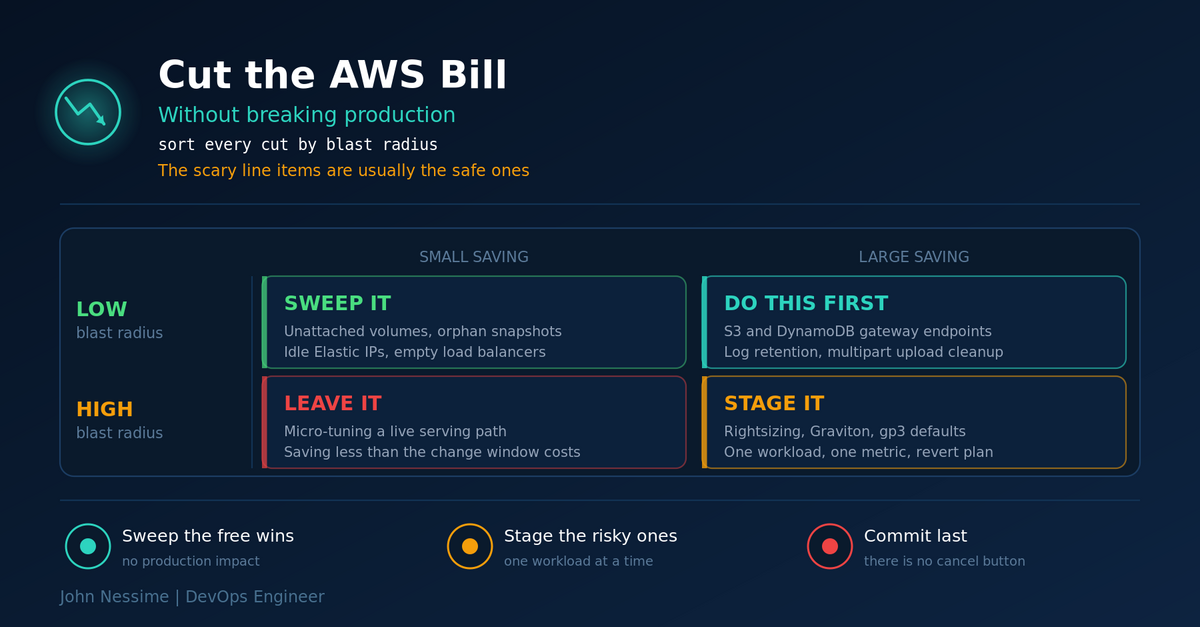
Cut AWS Costs Without Breaking Production: A Blast-Radius Playbook

Most AWS cost work goes wrong because it starts with the biggest line item, which is also the riskiest. Order the work by blast radius instead: free networking and storage fixes first, performance envelopes one workload at a time, and commitments last. Includes the commands to find the waste and the cuts that look harmless and are not.

Continue ReadingCut AWS Costs Without Breaking Production: A Blast-Radius Playbook

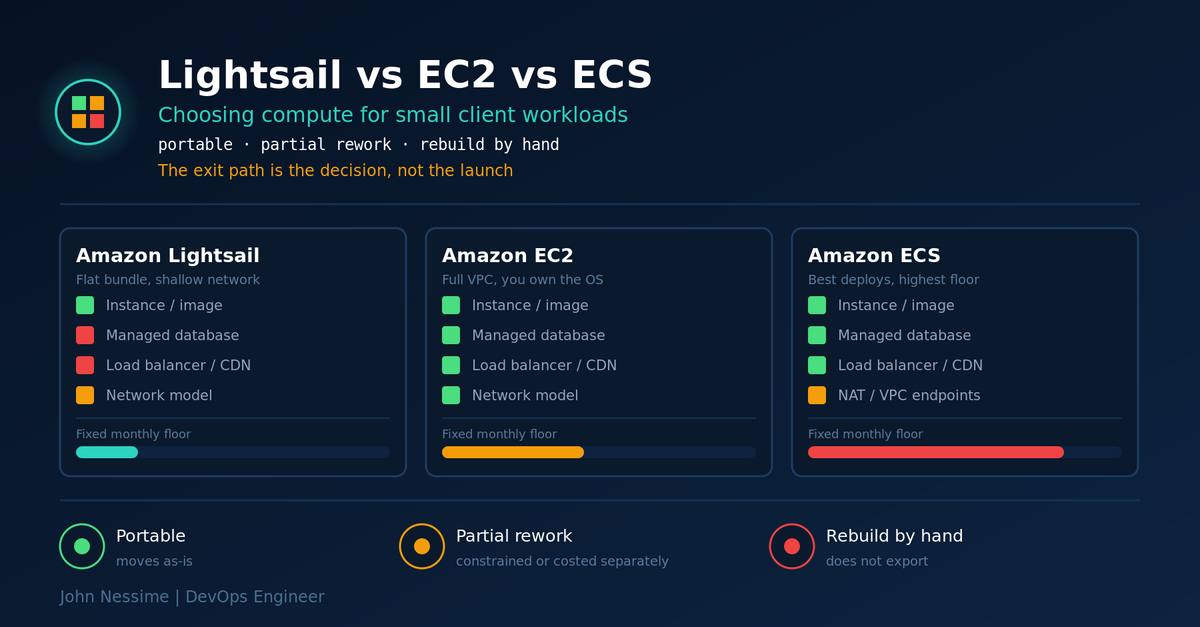
Lightsail vs EC2 vs ECS: What I Actually Pick for Small Client Workloads

Choosing between Lightsail, EC2 and ECS for a small client workload is not a performance question. It is a question about which constraints you are accepting and how expensive they are to reverse. Profiles of all three with where each wins and loses, the cost levers that actually move the bill, a six-step decision procedure, and the arguments that fall apart on contact with a real project.

Continue ReadingLightsail vs EC2 vs ECS: What I Actually Pick for Small Client Workloads

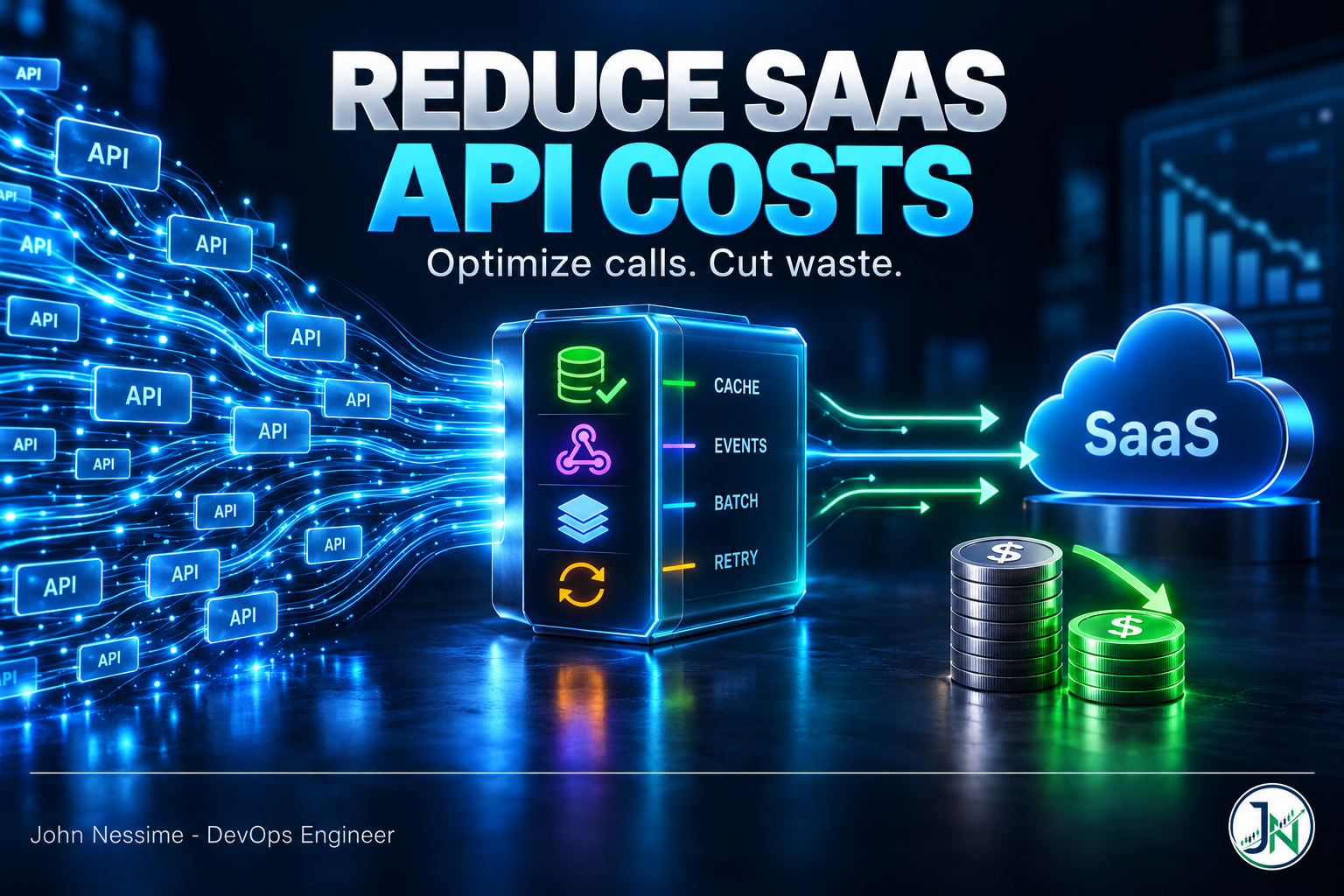
Optimizing API Calls to Reduce SaaS Costs: Six Levers That Actually Move the Bill

Third-party API spend is the one production signal with no error rate attached to it, which is why it creeps up quietly. This is a working engineer's guide to reducing SaaS API costs by changing the shape of your calls: reading the billing unit before you optimise anything, killing pointless polling with conditional requests and webhooks, collapsing N+1 patterns, caching with stampede protection and per-tenant keys, stopping your own retry amplification, and attributing spend so you can prove the work paid off.

Continue ReadingOptimizing API Calls to Reduce SaaS Costs: Six Levers That Actually Move the Bill

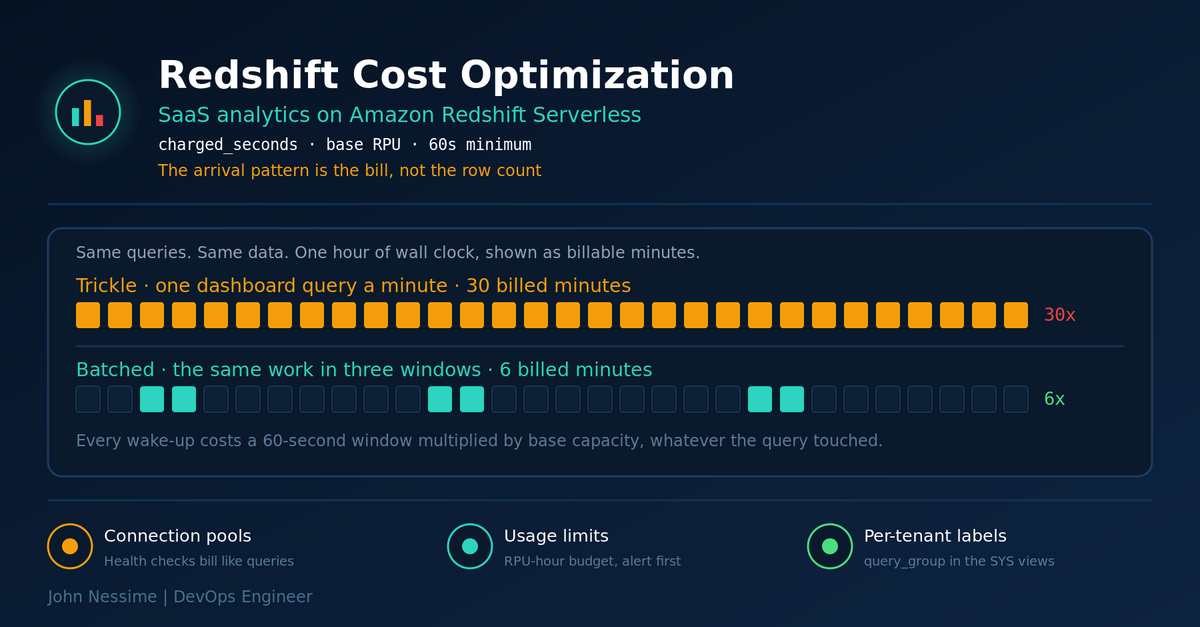
Redshift Cost Optimization for SaaS Analytics: The Levers That Actually Move the Bill

In a SaaS analytics product, the Redshift bill tracks how often queries arrive, not how much data they touch. Here is how the meter actually works, why connection pools bill you while nobody is using the product, how to attribute spend to a tenant, and which isolation choices quietly cost more than they save.

Continue ReadingRedshift Cost Optimization for SaaS Analytics: The Levers That Actually Move the Bill